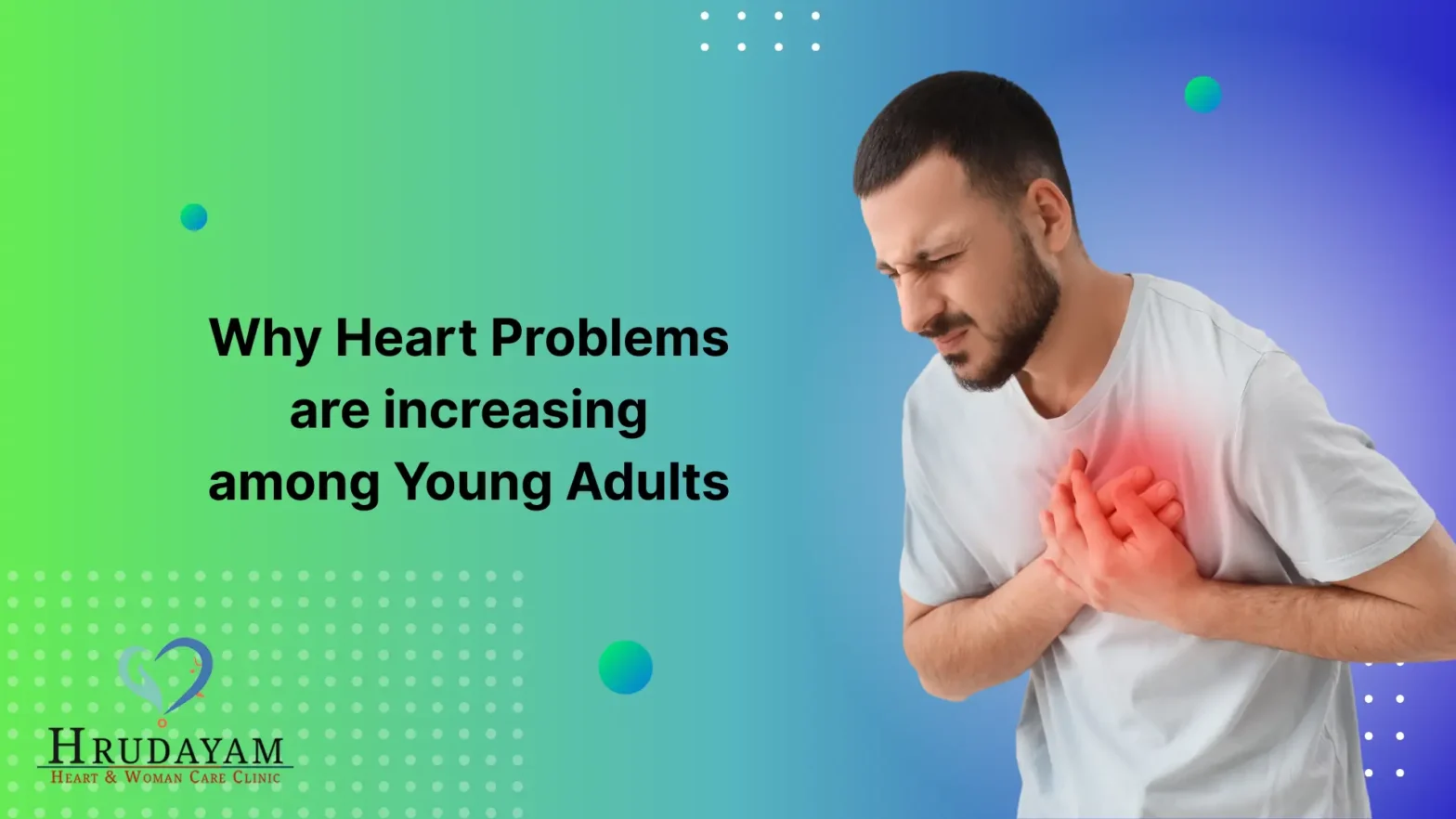
Problems related to the heart are no longer restricted to elderly persons. Nowadays, a lot of young individuals in their 20s and 30s are also experiencing major issues related to the heart. When a person experiences a heart attack in young age, it is becoming a common scenario because of the changes in one’s lifestyle. Young individuals are often afflicted with a heart attack because of a lack of awareness about the symptoms. Many young people are unaware of the fact that a heart attack could occur to them. The main question remains the same “what causes heart attacks in young people?” Let’s explore here!
Understanding the reasons of heart attack in Young Adults
To maintain a healthy heart, it is essential to understand the factors that can trigger a heart attack at a young age. The majority of the reasons relate to daily practices and health conditions. The reasons of heart attack take a long time to show symptoms.
Lack of Physical Activity
Many young people spend long periods of time sitting behind a desk or in front of a computer screen. Little movement reduces blood flow and the power of the heart. It leads to increased fat in the arteries and the risk of heart disease.
Bad Eating Habits
Fast food, sweetened beverages, and fried snacks are now common. Such foods increase cholesterol levels and weaken blood vessels. In the long run, they provide the explanation for what is the reason for heart attack in young age.
Mental Health Challenges
Stress, anxiety, and depression can impact the heart. Stress increases blood pressure and heart rate. Poor mental health conditions make heart problems a silent danger.
Substance Use
Smoking, vaporising, alcohol, and drug abuse destroy the cardiac muscle and arteries. Occasional use of these substances can cause serious cardiac events. Drug abuse is a major reason for cardiac arrest in young adults.
Family History
A family history of heart problems in parents and relatives may increase the risk. Cholesterol, blood pressure, and heart functioning may be influenced by genetic factors. Family history knowledge plays an important part in the prevention of heart problems during the early stages.
Rising Rates of Diabetes
Diabetes is on the rise among young individuals. High sugar levels in the blood damage blood vessels and nerves. Heart attack occurrences leading to premature death become evident.
Irregular Sleep Cycle
Late nights and bad sleep patterns affect heart rhythm and hormones. Getting less sleep leads to stress and higher blood pressure. The heart eventually weakens.
High Blood Pressure
There may be no symptoms of high blood pressure. Many teenagers live with it without knowing. When the pressure is not controlled, the arteries become damaged. This results in a heart attack.
Heart attack at young age symptoms
Heart attack at young age symptoms may be mild or acute. They can be disregarded since they may appear insignificant. Getting the correct information can save a young life.
Chest pain, tightness, or pressure
A sensation of heaviness or a squeezing pressure in the chest is a symptom. This could continue for a few minutes or happen intermittently.
Pain radiating to the arm, neck, or jaw
The pain may radiate along nerves originating in the chest into either the left arm, neck, or even the jaw. The sensation can also be numbness or a burning sensation.
Shortness of breath
One may have breathing problems even when not exercising. This might happen with or without chest discomfort.
Dizziness or fainting
Light-headed or faint symptoms can signal a problem. This is due to low blood perfusion in the brain.
Extreme fatigue
Feeling abnormally tired for no reason at all is a common symptom for a young patient with a heart problem. Even mundane activities become exhausting to do.
Cold sweats
Flask sweating without heat or exercise is significant. The body responds to stress on the heart.
Fast or irregular heartbeat
A racing or irregular heartbeat may be present. This can be a feeling of fluttering or pounding in the chest.
How to Reduce the Risk: Practical Prevention Tips
Even better news Most of the risk factors for heart diseases can be prevented. Healthy daily practices can shield the heart from dangers that result in heart attacks at a young age.
Prioritize Regular Exercise
Attempt to take at least a 30-minute walk every day. Either cycling, walking, and/or doing yoga helps maintain the heart in good shape.
Manage Stress Effectively
Breathe deeply or meditate. Pursue your hobby. The mind must be calm. This calms the heart.
Avoid Smoking
Smoking affects the arteries and leads to lower blood oxygen levels. Stopping smoking rapidly helps reduce cardiac risk even in young people.
Switch to a Heart-Healthy Diet
Eat more fruits, vegetables, whole grains, and nuts. Less salt, sugar, and fatty foods will do you good. It identifies what causes heart attacks in young people and how to prevent them.
Get Routine Health Check-Ups
Monitoring blood pressure, sugar, and cholesterol levels. Preparing for potential problems. Screening for problems before they become severe.
Maintain Quality Sleep
Sleep for 7-8 hours each night. Regular sleep schedules help heart rhythm and hormone functions. Regular sleep lessens the heart workload.
Know Your Family History
Discussions with elderly relatives may involve heart issues in the family. This should be discussed with your doctor. Early intervention can lower genetic risk.
Conclusion
Heart disease is not a problem of the older generation. Heart attack at a young age is a reality and is increasing at a very rapid pace. Unhealthy lifestyles, stress, and undetected medical conditions are the key causes of the situation. Understanding the cause for heart attack at a young age is important for taking timely action. Small adjustments in the daily routine are effective for protecting the heart throughout the whole life.
FAQs
Yes. It can also uncover threats that are not apparent. It also helps create an opportunity for your doctor to inform you about preventing it.
Take good care of your health by living a healthy lifestyle, and always go for checkups. You can control your risks by living a healthy lifestyle, irrespective of your genetic makeup.
Yes. Being overweight increases your blood pressure, cholesterol level, and risk for diabetes. All of these affect your heart.
In some instances, yes. Heart inflammation can be caused by COVID-19 infections, including those among young adults.
Yes, if frequently consumed. High levels of caffeine and sugar increase heart rate and blood pressure, posing a risk to the heart.
