Pacemaker Implantation in Nagpur
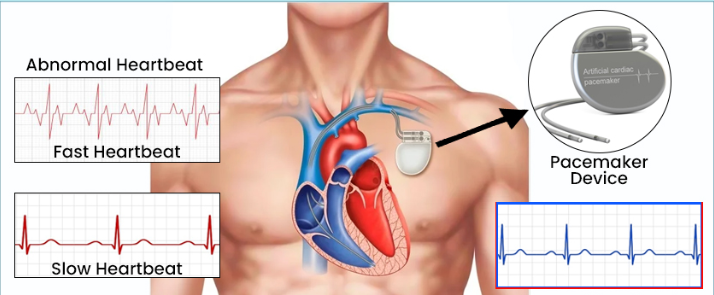
Pacemakers are medical devices designed to support and regulate the electrical system of the heart, ensuring it functions properly. This medical procedure entails the insertion of a small device into the chest region. The primary function of a pacemaker is to oversee irregular heart rhythms, notably addressing bradycardia, a condition marked by a slow heartbeat. Bradycardia may result in symptoms like dizziness, fatigue, fainting, and breathlessness, and in severe instances, it can pose life-threatening risks.
By emitting electrical impulses, pacemakers correct malfunctioning electrical signals within the heart, ensuring that the heart chambers contract in the correct sequence and with adequate force to circulate blood effectively.
Procedure of Pacemaker Implantation
The pacemaker implantation procedure involves making a small incision near the collarbone, threading leads into the heart, connecting them to the pacemaker generator placed under the skin, testing its function, and closing the incision.
The procedure takes around 30–60 minutes, patients typically go home the same day or after a short hospital stay and have regular follow-up appointments for monitoring
Benefits of Pacemaker Implantation
Pacemakers offer several benefits, including
- Restoring a normal heart rhythm, enhancing overall cardiac function, and elevating one’s quality of life.
- Improving symptoms linked to irregular heart rhythms which include chest discomfort, palpitations, dizziness, queasiness, and fainting.
- Life-saving potential by preventing the heart from stopping altogether.
Why Pacemaker Implantation Is Done?
Pacemaker implantation is recommended for individuals at risk of experiencing dangerously slow heart rhythms, ensuring a consistent and healthy heartbeat.
Common conditions treated with pacemakers include heart arrhythmias, disruptions in the heart’s electrical system (e.g., heart blocks), and heart failure.
What is the Cost of Pacemaker Implantation?
The cost of pacemaker surgery can vary significantly, influenced by factors such as
- location,
- the specific pacemaker model chosen,
- insurance coverage,
- existing medical conditions,
- the potential for complications.
For a precise cost estimate, it is advisable to seek consultation with your healthcare provider and engage in communication with your insurance company. Typically, pacemaker surgery cost in India ranges between several thousand to lakhs of rupees
What Risks Associated with Pacemaker Implantation?
Although pacemaker implantation is generally considered safe but it carries some risks including:
- Infection, bleeding, or complications related to device placement.
- Allergic reactions to medications or materials used in the pacemaker.
- Blood clots, requiring blood-thinning medications.
- Malfunctions of the pacemaker or its leads, which may necessitate activity restrictions.
- Malfunctions due to external electrical interference (rare but possible).
- Unexpected heart rhythm problems in rare instances.
While it comes with some risks, the benefits far outweigh the potential drawbacks, improving overall quality of life and offering the potential for a longer, healthier existence.
Types of Pacemakers
Pacemakers come in various types, each tailored to address specific heart conditions:
Dual-chamber pacemaker
Employs two wires connected to two different heart chambers.
Single-chamber pacemaker
Utilizes a single wire attached to one of the heart’s chambers.
Leadless pacemaker
A small, wire-free device inserted using a catheter-based procedure, attached directly to the heart’s inner wall.
Biventricular pacemaker
Incorporates three wires, with two attached to the lower chambers (ventricles) and one connected to the right upper chamber.
What Need To Do After the Pacemaker Implantation?
Following pacemaker implantation, patients require ongoing monitoring and follow-up care. Regular check-ups with a cardiologist ensure the device functions optimally and address any necessary adjustments.
Our Medical Services

ECG
An electrocardiogram (ECG) is one of the only and speediest tests utilized to survey the heart. Anodes (small, plastic patches that stick to the skin) are set at certain spots on the chest, arms, and legs.
2D Echo
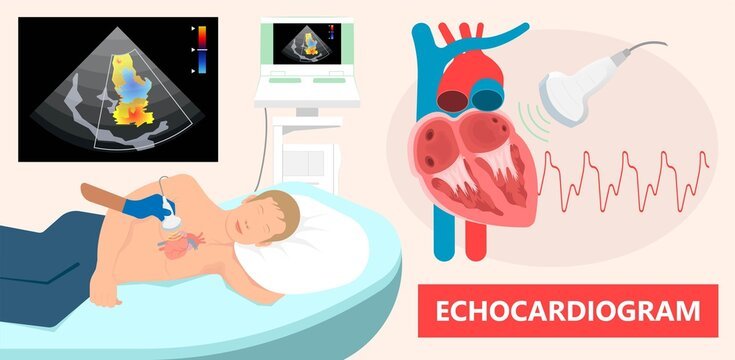
A two-dimensional Echocardiogram or 2D Echo test is a demonstrative test that employs ultrasound waves to evaluate the working of the heart.

Holter Monitoring
Holter monitoring measures your heart activity over an extended period, usually between 24 and 48 hours. Basically, a Holter Monitoring is a portable device which records the heart’s electrical signals.

BP Monitoring
Each time your heart beats, it pumps blood into your arteries. A blood pressure measurement may be a test that measures the force (pressure) in your arteries as your heart pumps.

Coronary Angiography
Coronary angiography diagnoses and evaluates coronary artery blockages. Contrast dye is injected into arteries, enabling X-ray imaging to visualize blood flow and identify narrowing or blockages.
Coronary Angioplasty
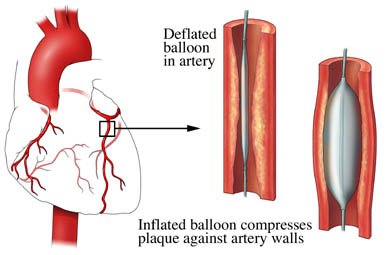
Coronary angioplasty is a minimally invasive technique of abdominal artery angioplasty, which is used to treat coronary arteries that are obstructed or constricted and it is the most appropriate technique used by doctors for the treatment.
Electrophysiology Study
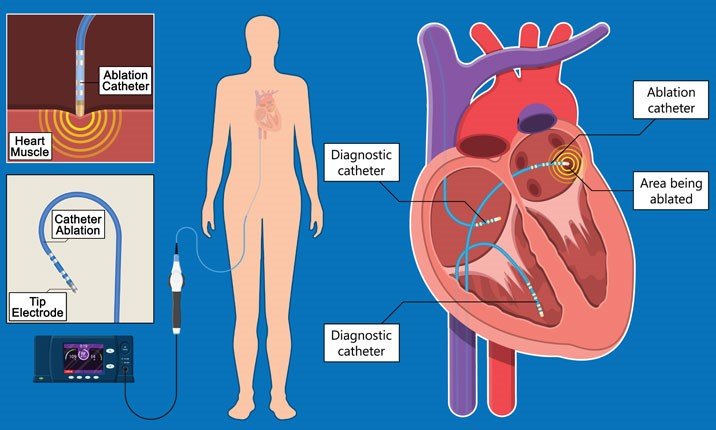
An Electrophysiology Study (EP study) is a test utilized to assess the heart’s electrical framework and check for abnormal heart rhythms. The natural electrical impulses coordinate the contractions of different parts of the heart.
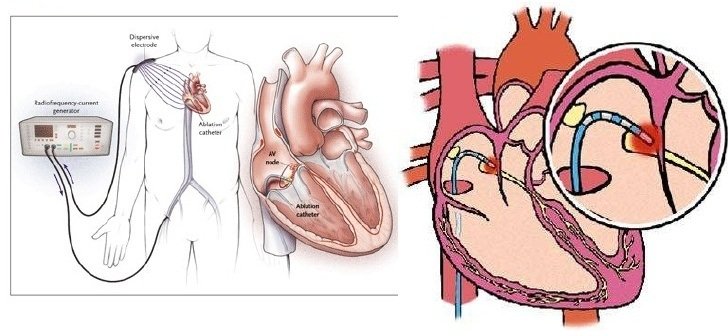
Radiofrequency Ablation
Radiofrequency Ablation (RFA) is a minimally invasive medical procedure that uses high-frequency electrical currents to generate heat, effectively destroying abnormal tissue or cells.

Best Cardiologist in Nagpur
Introducing Dr. Chetan Rathi, a distinguished Cardiologist in Nagpur, whose eminence transcends the realm of medical proficiency.

ICD Implantation
An Implantable Cardioverter-Defibrillator (ICD) is a life-saving device that plays a crucial role in monitoring and regulating heart rhythms. It consists of a pulse generator and leads implanted in the heart.

CRT_P & CRT-D Implantation
CRT implantation is a process in which technological instruments known as CRT-P and CRT-D where p stands for pacemaker and d stands for defibrillator.

Valvuloplasty
A balloon mitral valvuloplasty is a process to extend a restricted heart valve and improve blood flow. The heart valves handle how blood drives through the heart.
Our Achievements in Numbers
Happy Patients
Years of Overall Experience
Specialisations
Hospital Associations
Awards & Recognition
Patient Testimonials
 Girish Kale
Treatment was superb and counselling to patient is very good. My uncle feels very comfortable while getting treated by Dr Rathi.
 Swapnil Chouhan
Doctor Chetan Rathi sir is a very nice and supportive. He explains everything very clearly. The hospital staff is very neat, clean and disciplined. I have had a very good experience here.
 Kuldeep Kapoor
Dr Chetan Rathi Sir is very Polite in nature. He gives full information to Patient regarding their illness. He gives ample of time to Patient in his Chamber.
 Shamod Jadhao
I visited Dr Rathi's clinic as I was having chest pain and palpitation. One of my friend suggested me. He was so calm and friendly listened to my concern very carefully.
Dr Chetan Rathi sir is good cardiologist. I visited him many times with my family and friends for consult about issues related with cardiology.
Our Videos


Our Blog
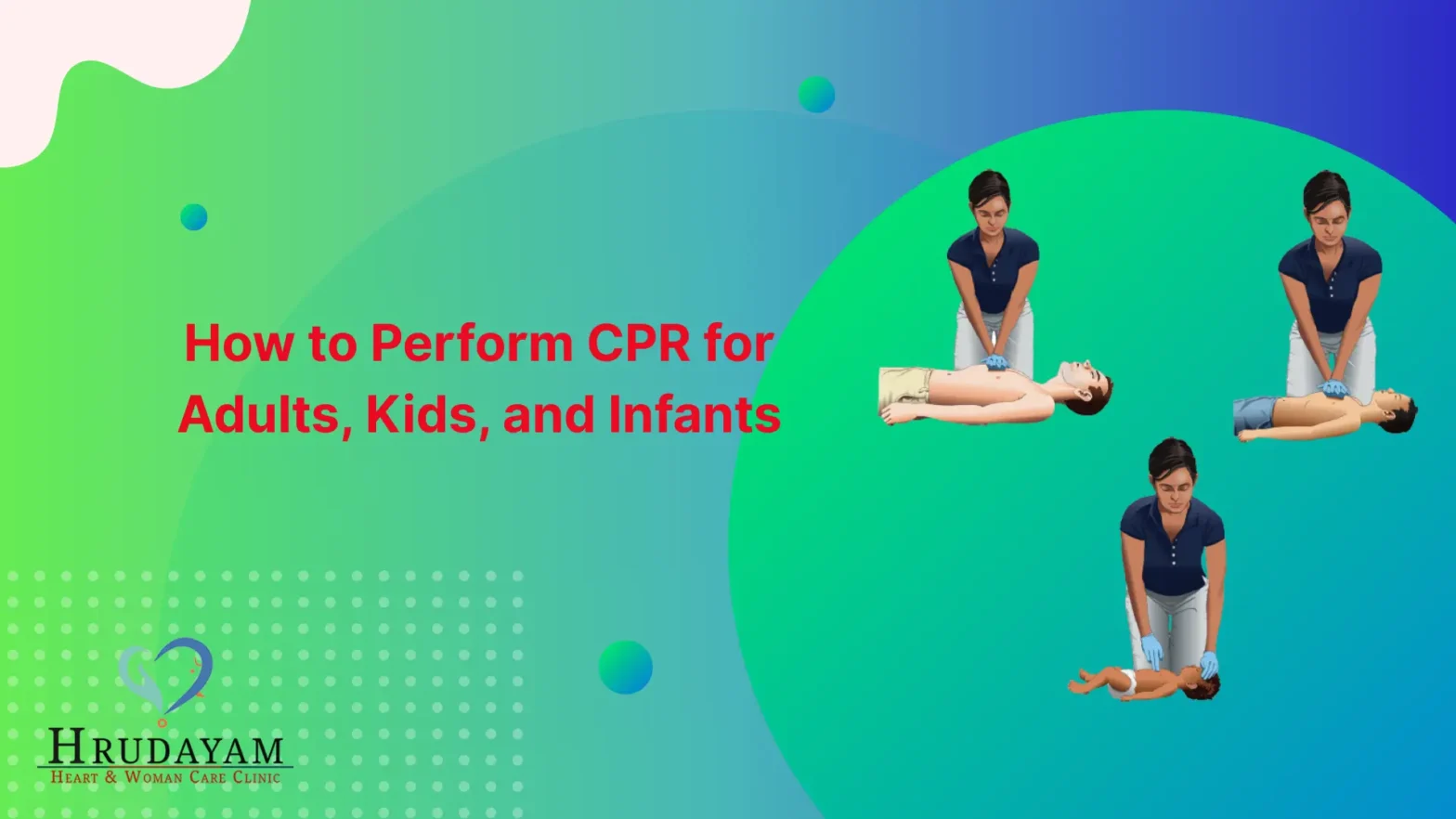 How to Perform CPR for Adults, Kids, and Infants
CPR can save a life. If a person’s heart stops beating or they stop breathing, CPR helps keep blood and oxygen moving in the body. Most people are afraid to act, but CPR steps are simple to learn. This guide will teach you how to do CPR on adults, children, and infants. We will also… Continue reading How to Perform CPR for Adults, Kids, and Infants
Read More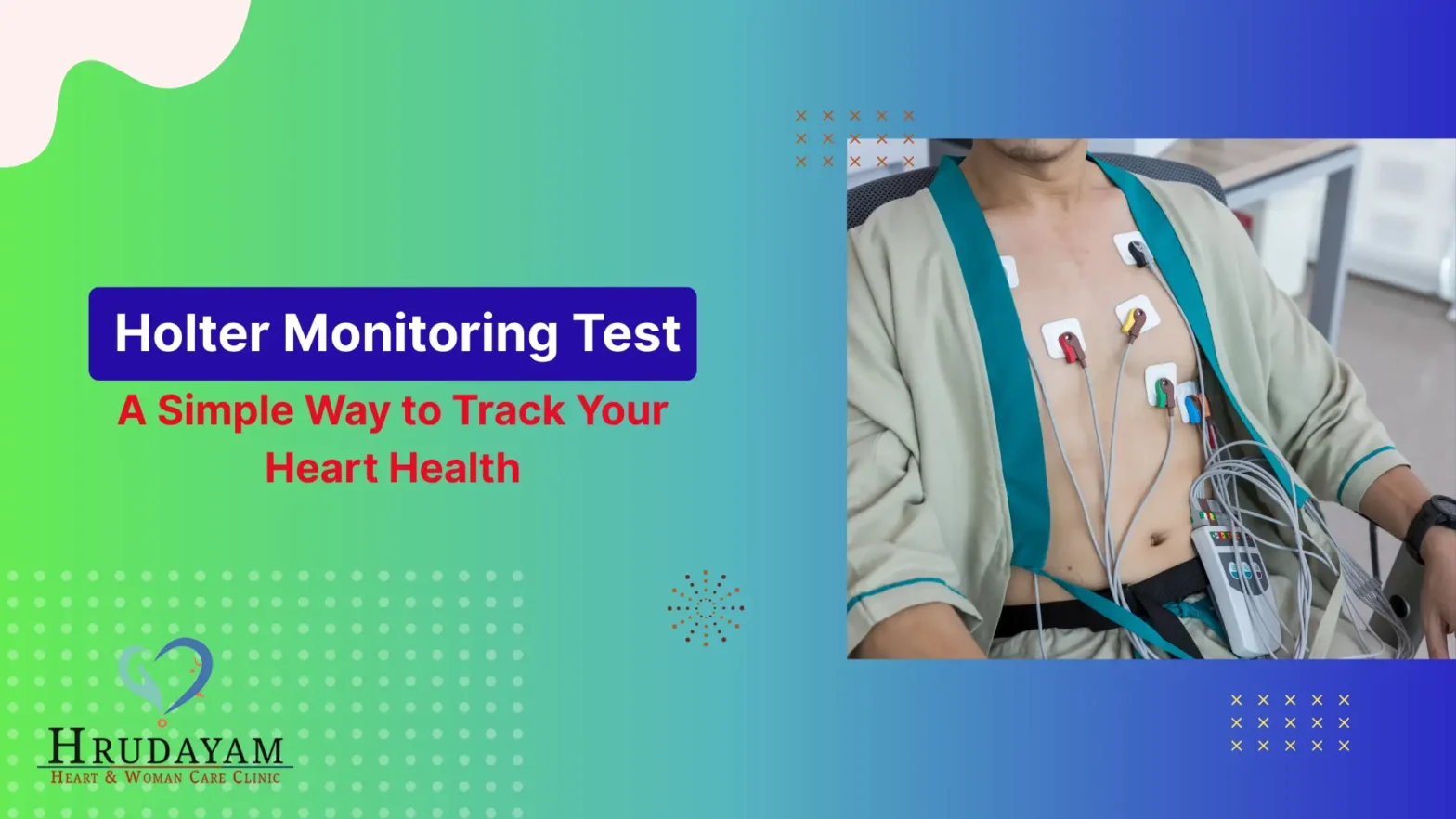 Holter Monitoring Test A Simple Way to Track Your Heart Health
An average human heart beats 60 to 100 times per minute to keep pumping blood and nutrient supply in the body efficiently. Sometimes the heart can have irregular beats (arrhythmias), which can go unnoticed at the time of a brief heart examination. A Holter monitor test helps in the continuous recording of a person’s heart… Continue reading Holter Monitoring Test A Simple Way to Track Your Heart Health
Read More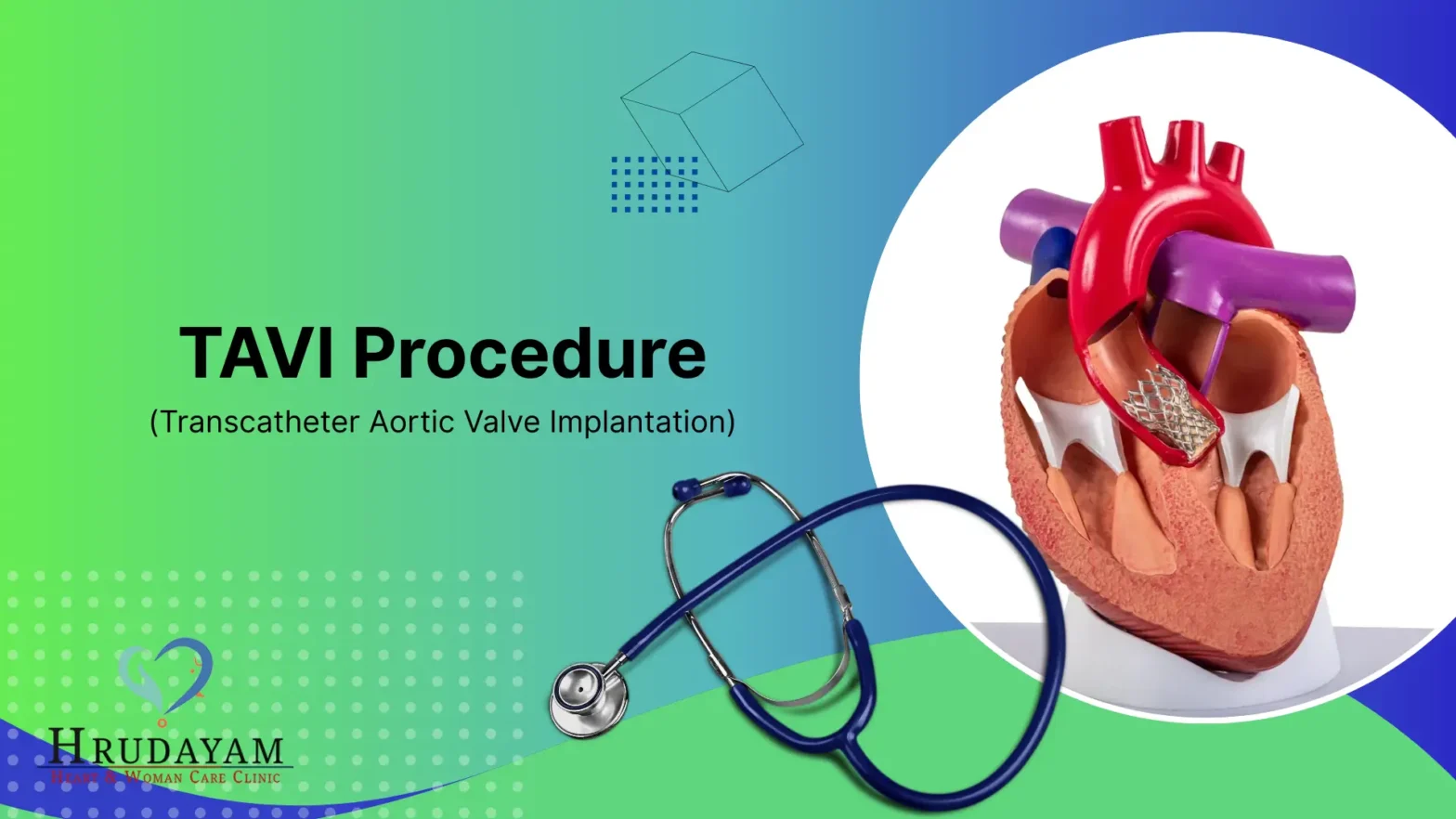 TAVI Procedure (Transcatheter Aortic Valve Implantation)
TAVI Procedure (Transcatheter Aortic Valve Implantation) TAVI, which stands for Transcatheter Aortic Valve Implantation, is a modern procedure to replace a faulty aortic valve. This approach doesn’t require open-heart surgery, is less painful, and patients can be back on their feet pretty quickly. Doctors introduce a new valve into the heart via a thin tube.… Continue reading TAVI Procedure (Transcatheter Aortic Valve Implantation)
Read More