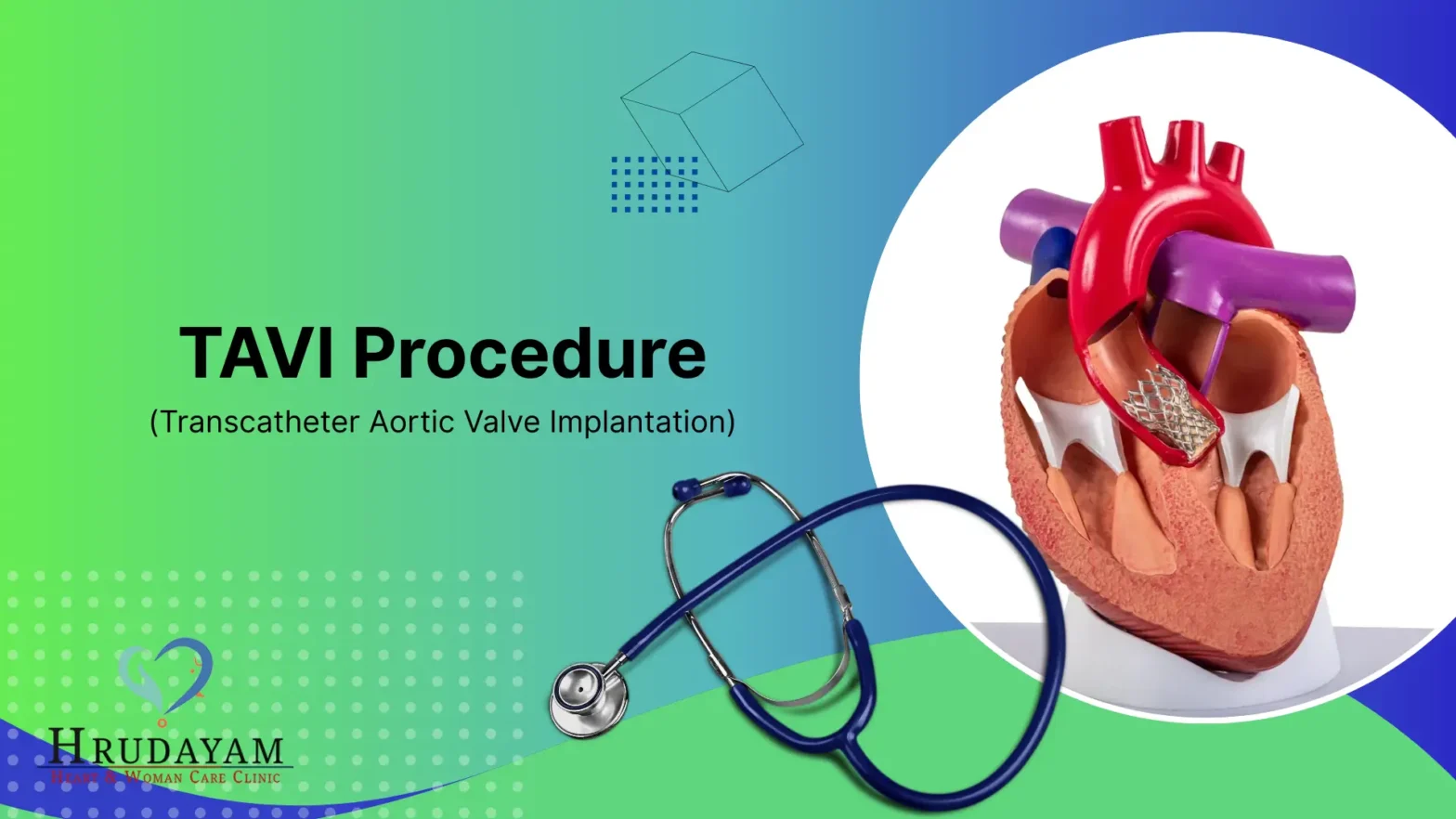
TAVI Procedure (Transcatheter Aortic Valve Implantation)
TAVI, which stands for Transcatheter Aortic Valve Implantation, is a modern procedure to replace a faulty aortic valve. This approach doesn’t require open-heart surgery, is less painful, and patients can be back on their feet pretty quickly. Doctors introduce a new valve into the heart via a thin tube. Many patients report an improvement shortly after the procedure. It is an effective and secure treatment alternative for those who are inoperable for surgery.
What Does TAVI (Transcatheter Aortic Valve Implantation) Procedure Mean?
TAVI is a minimally invasive procedure in which the aortic valve is replaced using a catheter. By catheter, we mean a thin, flexible tube that is inserted through a blood vessel and carries the implanted valve to the heart. Besides, it cuts down on recuperation time and the hospital stay length. The heart functions more efficiently once the new valve is implanted.
Why Would You Need a TAVI Procedure?
The TAVI procedure is usually required when the aortic valve becomes narrowed or blocked, a condition called aortic stenosis. This may entail symptoms such as chest pain, breathlessness, dizziness, or tiredness. If left untreated, it can lead to heart failure. TAVI is a good choice for the elderly and patients that have contraindications to open-heart surgery. It facilitates the flow of the blood and the general state of a person’s health.
What Happens During the TAVI/TAVR Procedure?
When the heart is undergoing TAVI, the medical team inserts a new valve via a catheter. The catheter is usually inserted through the leg and rarely through the chest. The valve opens up and starts functioning right away when it is positioned. X-ray and ultrasound images are used to track the procedure. Patients generally get discharged a few days after the operation.
Step-by-Step TAVI Procedure
- To keep the patient comfortable, local or general anesthesia is administered.
- A small incision is made either in the leg or chest to allow catheter insertion.
- The catheter is used to deliver the new valve to the heart.
- The old valve is compressed to make room for the new valve.
- The new valve expands, and its function soon replaces that of the old valve.
- The catheter is taken out, and the opening is stitched up.
What Are the Post-Instructions of the TAVR/TAVI Procedure?
After the TAVI procedure, patients need to follow care instructions to recover safely.
Monitoring
The medics regularly check the pulse, blood pressure, and oxygen saturation levels. If necessary, the patient will be given an ECG or echocardiogram test. It is essential to have regular visits to the doctor to see how well the healing process is going.
Wound Care
Always keep the wound free of dirt and moisture. The area should not be rubbed or pressed. Be sure to do the dressing change as per the doctor’s instructions.
Symptoms
Keep an eye on the symptoms, such as fever, inflammation, bleeding, or difficulty in breathing. Get your doctor on the line right away if any unusual symptoms emerge.
Medication
Follow the prescription to the letter and take medication, especially blood thinners and heart medicines, on time. Do not stop the medication at any point. When you need to take new drugs, always get your doctor’s advice first.
Activity Level
Give yourself time to rest first before gradually engaging in your usual routine. Heavy lifting and strenuous exercises should be avoided unless the doctor has given his/her consent. Getting out and taking a stroll is good for the blood circulation.
TAVI Procedure Cost in India
The TAVI procedure cost in India is subject to change with the hospital, the type of valve, and the patient’s condition. The approximate range is from INR 15 lakh to INR 25 lakh. Insurance can cover some of the expenses. It is highly recommended to check with the hospital for a precise quote before the procedure.
Recovery After TAVI Heart Procedure
After the TAVI heart procedure, recovery is generally much quicker than if the patient had undergone traditional surgery. Discharge from the hospital usually happens within 2 to 5 days. However, complete recovery may require a few weeks. Patients experience the benefits of better breathing and higher energy levels. Keeping regular cardiology appointments after the procedure helps ensure the patient’s heart remains in good condition.
Conclusion
The TAVI procedure is a great option for patients with severe aortic valve disease who have weakened their heart muscle. It is less invasive, as there is no need for open-heart surgery, and thus there is a faster recovery for the patients. The procedure results in better blood circulation, symptom alleviation, and a better quality of life. Provided proper attention, check-ups, and support from seasoned doctors, TAVI can be a secure and successful treatment. Speak to your doctor and discover if this treatment option suits you.
Locating a good Cardiologist in Nagpur for TAVI procedure steps is a safe move; they can support the patient through all stages. If one sees a top cardiologist in Nagpur, one can expect excellent care and knowledgeable advice regarding the TAVI heart procedure and heart health in general.
TAVI is an important procedure, but it is generally safer than open-heart surgery. It is performed on people who have had extreme problems with their heart valves.
TAVI has a very high success rate of about 90-95%, and most patients experience improvement shortly after the surgery.
TAVI is mainly for elderly people and those who are not eligible for surgery due to high risks, generally over 65 years old, but it is the doctor who, based on the patient’s health, decides.
Usually, the TAVI procedure takes 1-2 hours, but it can vary depending on how complicated the case is and the condition of the patient.
With modern techniques and experienced doctors, TAVI is a safe procedure. The risks are much lower compared to traditional open-heart surgery.
