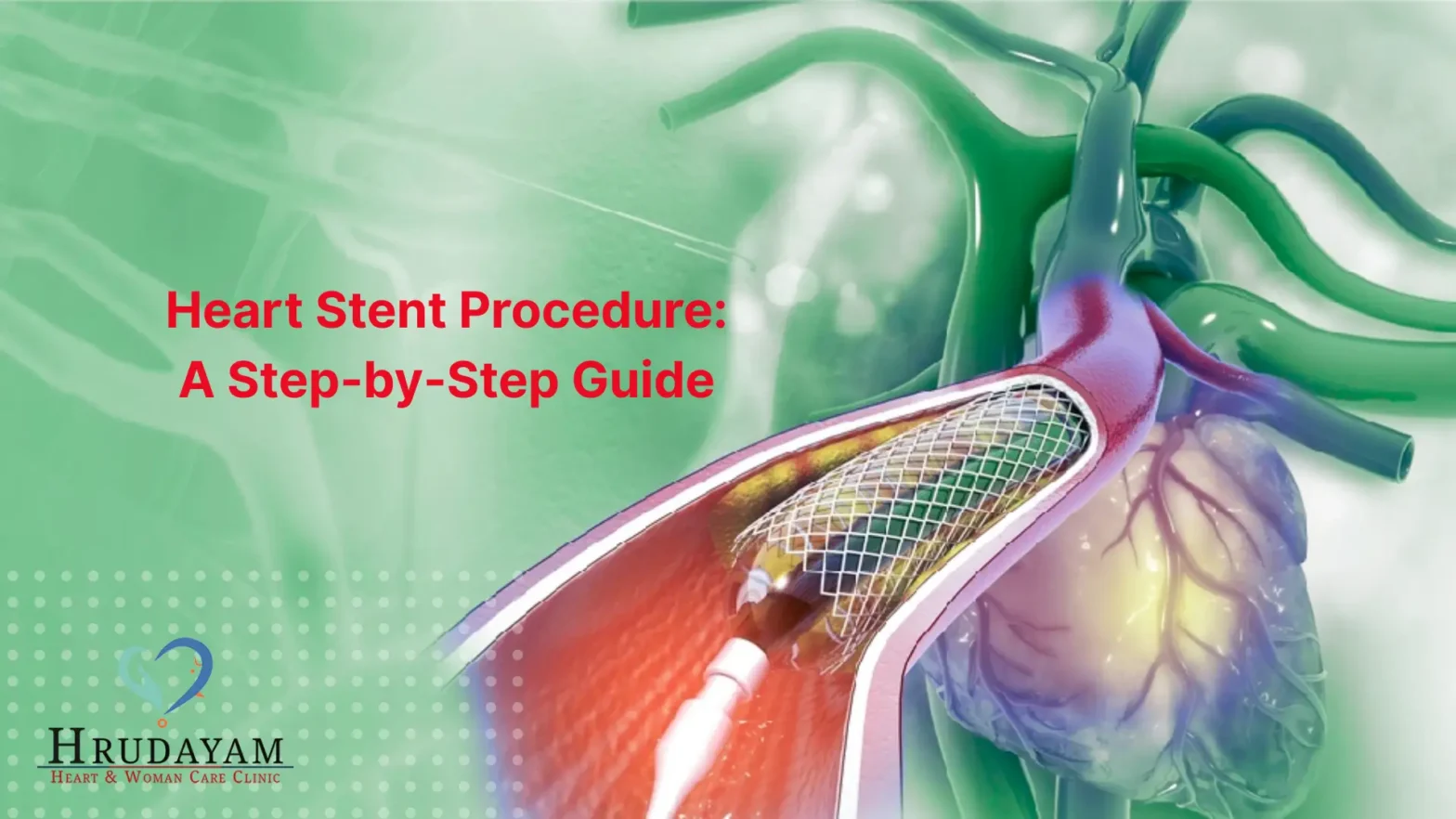
The heart stent procedure is a well-known and very safe method of unblocking the arteries in the heart. It helps the blood to flow in a smooth manner to the heart. People get scared to hear about the operation of the stent for heart, but the procedure is very simple and well-planned. The doctors conduct the procedure of the heart stent every day successfully. The complete procedure of the heart stent is described in very simple words in this guidance, and nobody will have any problem in understanding the procedure.
What is a Heart Stent?
A heart stent is an extremely reliable medical instrument utilised by doctors across the globe. A heart stent functions to help a weak or blocked heart artery and hence ensure that blood flows effortlessly inside the body. A blocked artery results in the heart not receiving adequate oxygen, it also results in chest pain, discomfort, and serious heart conditions for an individual.
As soon as the heart stent surgery is conducted, an individual experiences some level of relief from chest pains since, in most cases, an individual finds it easy to breathe and also regain their strength back. Some stents in heart release medication slowly. The medication helps prevent the formation of blockages in the artery. The stents are widely used and highly successful.
Why a Heart Stent Operation Is Needed
A heart stent procedure becomes necessary when the heart’s arteries narrow and become obstructed. This condition primarily results from the accumulation of fat, referred to as plaque. As blood fails to flow with ease, the heart fails to receive ample oxygen. As a result, a person may experience chest discomfort, breathing difficulties, and heart attacks. A stent for heart assists in maintaining regular blood flow and heart health.
Preparing for the Stent Operation
It is also advised that you inform your doctor about all the medicines that you are taking before the stent operation takes place. This includes medicines that you take for diabetes and for your blood pressure, as well as those that act as a blood thinner. In some cases, you may be advised not to take specific medicines for a short period of time. On the day that you are supposed to undergo a heart stent operation, you should wear comfortable clothes. In most cases, a family member is supposed to be with you during that time.
It is also very helpful for you to remain as relaxed as possible and with a positive attitude, since this is a very routine procedure that has been well planned. For your body to recover fast and for your overall recovery time for a heart stent operation to be fast and healthy, you ought to get adequate rest prior to.
Step-by-Step: What is a stent procedure?
The stent for heart procedure is done in a very specific manner. The doctors perform this procedure using instruments and live X-rays. Reading about how the stent procedure is done in the heart will alleviate fear.
Entering the Cath Lab
You are led to a special room called the cath lab. You are placed on a smooth table. Monitors are used on your heart and blood pressure while the stent is placed.
Local Anaesthesia & Access Point
Local anesthesia is applied by the doctor. A cut is made in the wrist or groin area. This region is termed the access point for the stent procedure.
Inserting the Catheter
A thin pipe called a catheter is very gently inserted into the blood vessel. It slowly progresses towards the heart. There may be pressure, but no pain, during this stage of the procedure for placing the heart stent.
Locating the Blockage
The doctor uses a catheter to inject a special kind of dye. The dye assists in making the blocked artery appear on a screen. This assists a doctor in identifying the placement of heart artery stents.
Balloon Angioplasty
A small balloon is positioned inside the blocked area. A balloon is inflated to expand the artery. This step is related to preparing an area for stents in heart arteries.
Placing the Stent
The stent is inserted into the blocked area. When the balloon is inflated, the stent expands and locks into position. This keeps the artery open and allows for better blood flow.
Catheter Removal
After completion of the stenting procedure, the catheter is withdrawn very carefully. The site where blood access was obtained is covered with a bandage. You will then be taken to a recovery room where you will be allowed to rest.
Heart Stent Recovery Time
The recovery period after a heart stent is generally very brief. Usually, patients recover soon and resume their activities.
In the Hospital
You stay in the hospital for a day or two. Your doctors watch your heart and blood pressure. Medicines are provided that prevent the formation of blood clots after a heart stent procedure.
At Home
Rest is also important for recovery time after a heart stent. Avoid heavy work for a few days. Medicines should be taken on time, and the doctor’s advice regarding diet and exercise should also be followed.
Conclusion
Hope you now understand what is a stent procedure. A heart stent procedure is an emergency procedure for individuals who have blocked heart arteries. The heart stent procedure is a safe, rapid, and effective procedure. Being informed about what a stent procedure is and how it works helps dispel fears associated with this medical procedure. If one takes good care of their health, individuals having stents implanted in their heart arteries can live long and healthy lives.
FAQs for Heart Stent Procedures
Will the stent be in forever?
Yes, the stent will remain inside the artery always. It holds the artery and ensures a free flow of blood. In time, the artery heals with the stent inside.
Will the stent set off metal detectors?
No, they are very small. They will not set off the metal detectors at the airports.
Which stent is best for the heart?
Based on your condition, the doctor will choose the most appropriate stent for heart. The stents in heart that are most often prescribed are drug-eluting stents to lower blockages.
How many stents can a person have?
An individual may require more than one stenting. The number of stents to be placed is determined by the extent of obstruction in the coronary arteries and the status of the heart.
How much blockage requires a stent?
Normally, if a stent is needed, it would be if a blockage is over 70% and obstructing blood flow. The doctor determines this after
