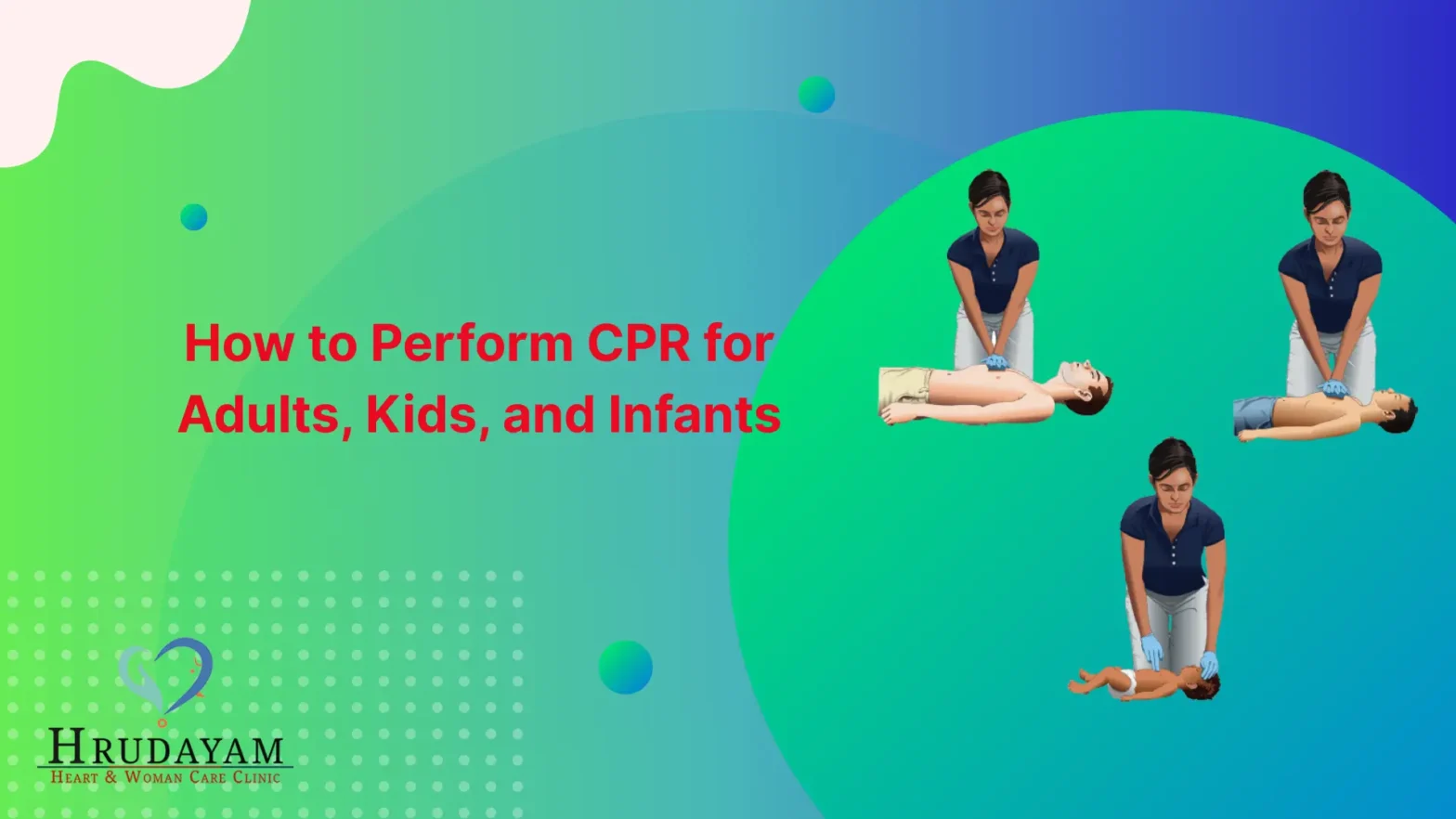
CPR can save a life. If a person’s heart stops beating or they stop breathing, CPR helps keep blood and oxygen moving in the body. Most people are afraid to act, but CPR steps are simple to learn. This guide will teach you how to do CPR on adults, children, and infants. We will also explain to you what is CPR, when to use CPR, and how to do CPR safely.
What is CPR (Cardiopulmonary Resuscitation)?
CPR is an emergency procedure to save a person’s life when his or her heart stops. CPR is short for Cardiopulmonary Resuscitation. CPR is a technique used to keep oxygen flowing to a person’s body. Learning what is CPR and CPR steps can save a person’s life during a sudden cardiac arrest.
Why is CPR Important?
- CPR is important because it allows oxygen to flow to a person’s brain and vital organs.
- It can keep a person alive until medical assistance is available.
- It can increase a person’s survival rate if he or she has a heart attack.
What Are the Types of CPR?
There are two types of CPR used during an emergency.
Hands-Only CPR
During Hands-Only CPR, the rescuer compresses the center of a person’s chest. This is a simple CPR technique.
Full CPR With Rescue Breaths
During Full CPR, the rescuer compresses a person’s chest. After a series of compressions, the rescuer gives breaths to a person.
Recognizing Cardiac Arrest and the Need for CPR
It is necessary to take action when a person is showing signs of cardiac arrest.
Unconscious
If a person is not responding to your loud talking or shaking of shoulders, then he or she is unconscious.
Is Not Breathing or Only Gasping
Check the person’s breathing. If they are not breathing or only gasping for air, it may mean the heart has stopped.
Has No Pulse
If you know how to check for a pulse, then if there is no pulse, it is likely that the heart has stopped.
Collapses Suddenly
If a person suddenly collapses without any prior signs, then it is likely that he or she is having a heart attack.
Step-by-Step CPR Procedure
The following are simple CPR procedures to take when a person is in cardiac arrest:
For Adults and Teens-
Place the person on a firm and even surface:
The person should be placed on his or her back on a hard and flat surface. This is to ensure that the CPR procedure is effective because the heart is able to pump blood.
Get down on your knees:
Kneel on one side of the person’s chest to be able to reach the center of the chest when performing the CPR techniques.
Set your hands firmly on the chest area:
Place one hand on the center of the chest and place your other hand on top of the first hand and interlock your fingers.
Align Your Body Properly:
Align your shoulders directly over your hands to ensure you compress the chest properly when doing CPR.
Start chest compressions:
Place your hands on the chest and compress it hard and fast in the middle of the chest. Push about two inches deep into the chest and allow the chest to return to its normal position after compressing.
Keep a constant speed:
Keep a steady rhythm when doing the compressions during CPR. A good rhythm is about 100 to 120 compressions per minute.
Provide rescue breaths (if properly trained):
If you are properly trained to do CPR, you must provide two rescue breaths after every thirty compressions.
For Children-
Use one or two hands depending on the size of the child:
For a child, use one hand if he or she is small. If he or she is not small, use two hands. The hands should compress on the center of the chest while maintaining a steady rhythm during CPR.
Compress about 2 inches deep:
The chest should compress about two inches deep. The chest should move back up to its normal state before compressing again to allow blood to flow.
For Infants-
Use two fingers:
For an infant, use two fingers to compress on the center of the chest, but below the nipple line.
Compress about 1.5 inches deep:
The infant’s chest should compress about one and a half inches deep. The compression should be gentle but firm.
Be gentler but maintain rhythm:
The compressions should be gentle but maintain a steady rhythm to allow blood to flow through the infant’s body.
Common Mistakes to Avoid During CPR
- Too soft a touch during compressions on the chest
- Stopping compressions too many times
- The hands should not compress on the wrong part of the chest
- The elbows should not bend during compressions
- The chest must fully return to its normal position before the next compression.
- The CPR should not wait while seeking medical assistance
Conclusion
Knowing how to do CPR can save lives in case of an emergency. Knowing the appropriate CPR process and CPR steps makes people confident to act quickly in case of emergencies. If you want to get expert advice on heart health, you can contact a cardiologist in Nagpur. Dr. Chetan Rathi is a well-known cardiologist in Nagpur and works towards spreading heart health and awareness. He also advises people to learn CPR to act quickly in case of cardiac emergencies.
FAQ’s of Cardiopulmonary Resuscitation
Here are some common questions people ask about what is CPR and how it works.
What is the correct compression rate during CPR?
The rate of compression must be between 100 and 120 compressions per minute. This rhythm is important to ensure blood flow to the brain and other vital parts of the body.
Is CPR different for children and infants?
Yes, the process of CPR is a bit different. For children, the compression must be smaller, while for infants, the compression must be gentler, using two fingers.
Can CPR result in injury to the person?
Yes, sometimes the ribs may crack during CPR. However, the importance of saving a person’s life is greater than the injury to the person.
Can CPR restart the heart?
CPR usually does not restart the heart, but it keeps blood flowing until medical professionals use a defibrillator or advanced treatment.
What happens if CPR is delayed?
If CPR is delayed, the brain may not receive enough oxygen. This can result in damage to the brain and lower the chances of survival. Prompt action is very important.
