What is a blood clotting disorder?
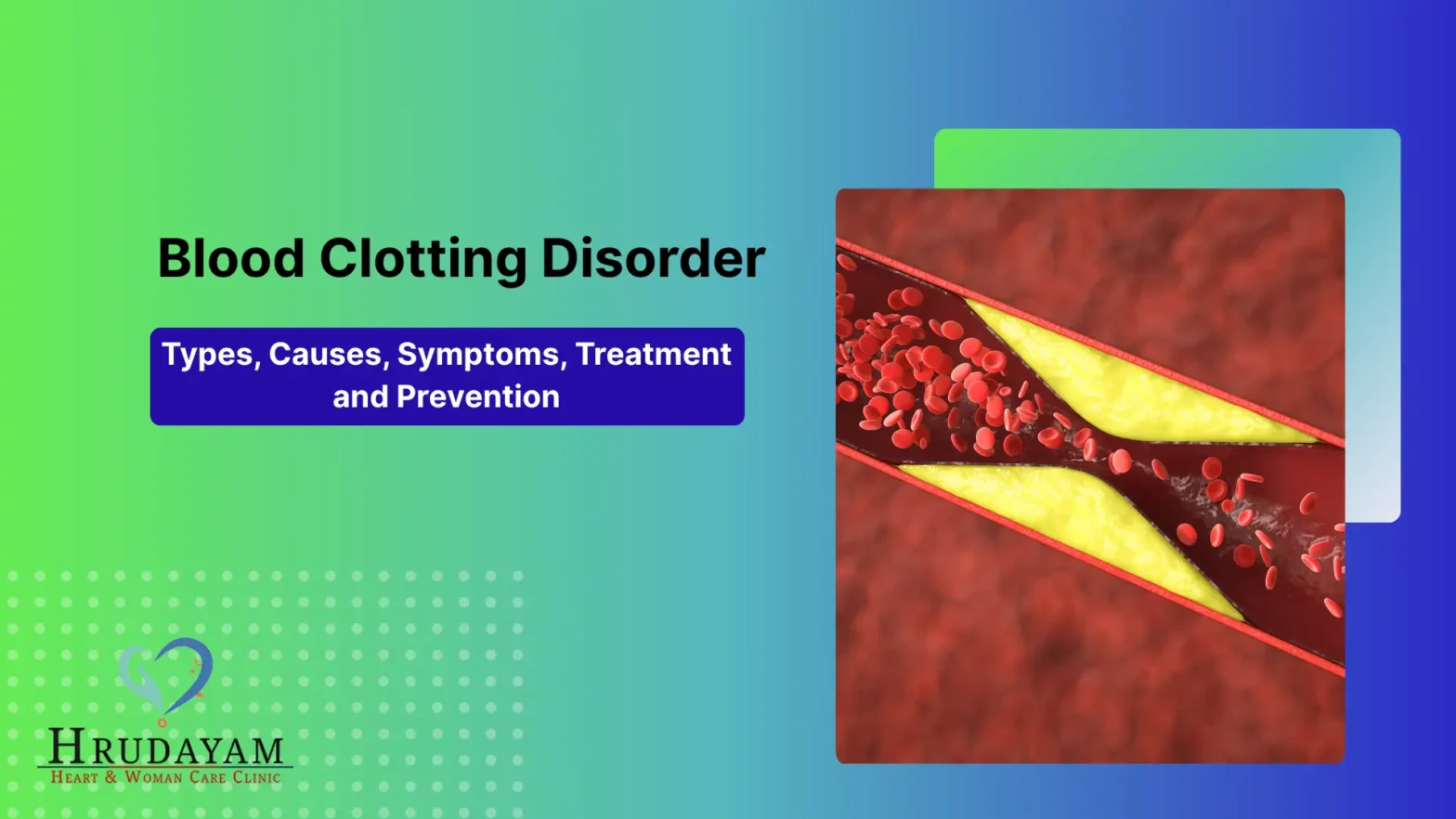
Blood clotting is a natural process that helps your body. Once you suffer a cut, the blood at the site of injury will clot to prevent more blood loss. This process is quite beneficial. However, there are instances when blood clots excessively or even when it should not. Such cases are known as blood clotting disorders. In these instances, the body will produce blood clots in blood vessels even without injury. This could lead to a blockage of blood flow to vital organs.
Types of Blood Clotting Disorders
These disorders mainly occur in two ways. The first is the inherited type, which arises due to a family history of the disorder. The second is the acquired type, which develops later in life. For example, Factor V Leiden is a common inherited condition. In contrast, Antiphospholipid Syndrome is a condition where an individual’s immune system attacks their own body. There are also individuals who typically have low-normal levels of certain proteins that help maintain normal blood flow.
Causes of Blood Clotting Disorder
An incorrectly functioning blood clotting system can be a result of many factors. Other factors leading to the development of this problem include smoking, being overweight, or taking certain medications. Occasionally, surgery or pregnancy might also contribute to a higher risk factor. Clotting factors are specific proteins present in the blood that help regulate bleeding. Dysfunction of these factors can lead to blood clot formation in unintended areas.
How do you know if you have a blood clotting disorder?
Usually, the presence of a blood clotting disorder is discovered only after a clot occurs. The first step for doctors in assessing this risk is to check your family medical history. If your immediate family members have had blood clots, then the chances are that you have that risk as well. Other cases mainly came to light after the occurrence of symptoms like pain and swelling when a person goes for a check-up.
Symptoms of Blood Clotting Disorder
It is important to watch for signs of a blood clotting disorder. Since blood clotting disorder symptoms depend on the location of the clot, they may vary.
- Pain or swelling in one leg or arm.
- Higher temperature of the skin felt by touch.
- Skin discoloration, such as red or blue.
- Shortness of breath and rapid heartbeat.
- Chest pain that is more severe when you breathe.
Diagnosis and Tests of Blood Clotting Disorder
How is a blood clotting disorder diagnosed?
The doctor will inquire about your personal health as well as that of your family. A physical examination will be done to detect any swelling or discolored areas. If further investigation is required, a diagnostic test will be performed.
What tests will be done to diagnose a blood clotting disorder?
Blood tests are performed to examine the clotting factors in your blood. The tests reveal the rate at which your blood coagulates. Ultrasound is also frequently used to observe the blood circulation in your legs. A lung scan may be done if a clot has been dislodged and migrated to the lungs.
Treatments of Blood Clotting Disorder
Treatment largely revolves around keeping the clot from enlarging.
- Blood thinners: These drugs facilitate the blood’s ability to flow smoothly through the vessels.
- Compression stockings: These are tight-fitting socks that aid in blood return to the heart from the legs through compression.
- Lifestyle changes: Eliminating smoking and maintaining an active lifestyle.
- Filter devices: A small tool inserted in the vein to trap blood clots.
How to Prevent Blood Clotting Disorder
Staying physically active can significantly reduce the chances of blood clotting disorders. For instance, if you are working at a desk most of the time, it would be a good idea to stand up and walk a little every hour. Also, always make sure to drink enough water and try to maintain a body weight that is healthy for you. Besides, if you are a long-haul traveler, you should frequently flex and extend your feet and legs to promote blood circulation.
Conclusion
Proper care of your circulatory system is essential for a healthy and long life. A person is advised to consult a cardiologist if they happen to be in Nagpur and looking for one. Dr. Chetan Rathi is recognized as one of the best cardiologists in Nagpur. Apart from health management, the doctor is very patient in guiding those in his care. It is advisable to see a specialist as early as possible in order to remain protected.
FAQ’s of Blood Clotting Disorder
It certainly can be, especially if a clot makes its way to the lungs or heart. However, it can be managed with medication.
Yes, some problems can disrupt pregnancy. With the help of care, doctors can assist mothers in having a safe delivery.
Majority of individuals live normal lives. You might be required to take a daily medication and visit your doctor regularly for check-ups.
If it is inherited, then it is for life. However, If it is acquired due to certain conditions, it may be temporary.
Specialists in heart or blood are the ones who treat these. Dr. Chetan Rathi is an excellent and experienced doctor in Nagpur who has treated numerous patients with these conditions.
You may ask if the doctor notices that your condition is a result of your family history and what would be the appropriate and safe exercises for you.
