SVT Treatment in Nagpur

What is supraventricular tachycardia (SVT)?
Supraventricular tachycardia (SVT) refers to episodes when your heart suddenly gets a lot faster than normal. The rapid beating is caused by the rhythm starting in the top chambers of the heart, known as atria. Normally, your heart beats at a constant rhythm, but SVT occurs when abnormal electrical signals cause the heart to beat unusually fast. It may give the sensation of heart fluttering or heavy pounding. Although alarming, properly managed, a majority of people live well with it. Leading cardiologists like Dr. Chetan Rathi not only diagnose such rhythms, but they also explain to their patients what they really mean. Dr. Chetan Rathi methodically traces the underlying issue behind a sudden heartbeat so that every patient can be confident in their health and safety.
What are the Causes of SVT
Usually, the causes of SVT are traced to either the structure of the heart’s electrical pathways or our lifestyles.
- Stress and anxiety: Major worry elevates the “fight or flight” reaction, which raises the heart’s electrical activity.
- Excess caffeine or alcohol: Stimulants like coffee, energy drinks, and alcohol can trigger abnormal heart rhythms.
- Smoking and lifestyle triggers: Smoking and extreme fatigue can increase the risk of rapid heart rhythms.
- Thyroid problems: An overactive thyroid gland produces hormones that enter the bloodstream and tell the heart to beat faster.
- Heart disease and congenital conditions: Some people are born with extra electrical pathways in the heart or may develop heart issues later on.
- Medication-related causes: Certain cold medicines or asthma inhalers have stimulants that may trigger a rapid heartbeat.
What are the risk factors of SVT
Here are some common risk factors that may increase the chances of developing SVT:
- Aging (however, SVT may also affect the young).
- Presence of family members with heart rhythm problems.
- Experiencing high levels of stress regularly.
- Possession of heart problems or history of heart surgery.
How is SVT (supraventricular tachycardia) diagnosed?
Doctors will use a number of different tools to check how the electrical signals flow through your heart.
- Blood tests: These check if there is anything wrong with your thyroid or any abnormal chemical balance that could impact the heart.
- Electrocardiogram: Also known as an ECG, this test documents your heart’s electrical signals by attaching sticky patches to your skin.
- Holter monitor: A small, portable device that you wear for a day or two to record your heart rhythm while you live your daily life.
- Event recorder: This device is like a Holter, but you keep it for a few weeks, and you push a button only when you experience symptoms.
- Echo Test: It is a heart ultrasound that uses high-frequency sound waves to form an image of the heart’s valves and chambers.
- Electrophysiology study: Doctors insert thin tubes to map the heart’s electrical system and pinpoint the exact location of the problem.
What are complications/side effects of SVT treatment?
Here are some possible complications and side effects that may occur after SVT treatment:
- Brief bruising at the catheter insertion point.
- Mild fatigue from certain svt treatment medications.
- A tiny possibility of a slow heart rate that might require further medical intervention.
What are the treatment of SVT
To treat the problem of supraventricular tachycardia treatment, you can follow these several options:
- Vagal maneuvers: Using physical techniques such as coughing or gagging to decrease heart rate.
- Medications: Taking pills daily to maintain regular rhythm.
- Catheter ablation: A minor surgery to “erase” the extra pathway causing the trouble.
- Cardioversion: A short treatment in which the heart rhythm is restored by administering a very small electric shock.
SVT Prevention
SVT Prevention is essential in stabilizing your heartbeat. Besides that, be inclined to:
- Control stress levels via deliberate breathing or yoga.
- Alcohol consumption should be restricted.
- Tobacco should be completely avoided.
- Reduce consumption of coffee and other caffeinated beverages.
- Do not exhaust yourself. Your body needs adequate rest.
Transforming Heart Health: Dr. Chetan Rathi on Lifestyle and Diet Changes to Combat Cardiovascular Disease
Types of SVT (Supraventricular Tachycardia)
Depending on which part of the heart is responsible for the "electrical short circuit," different SVT types exist.
Atrioventricular nodal reentrant tachycardia (AVNRT)
This type occurs when electrical signals travel in a loop near the center of the heart. The heart races and then stops abruptly as a result of the loop.
Atrioventricular reciprocating tachycardia (AVRT)
This type is caused by an extra electrical pathway that connects the top and bottom of the heart. This extra pathway allows signals to circulate rapidly in a fast, constant, circular pattern.
Atrial tachycardia
A small spot in the upper chambers of the heart starts to generate rapid signals on its own, thus creating a secondary pacemaker that takes control of the normal rhythm of the heart.
What are the Symptoms of SVT
SVT symptoms result in a variety of conditions, from barely noticeable fluttering to significant discomfort.
Rapid heartbeat or palpitations
Your heart could feel like it “missed a beat” or like it is racing after a long run. Such a sensation of fluttering in the chest is the main symptom.
Chest pain
A few individuals experience a squeezing or crushing sensation in their chest when the heart rate is high. It may occur because the heart is working harder than usual.
Dizziness or loss of consciousness
High heart rate may cause insufficient blood supply to the brain, which may result in lightheadedness or a pre-fainting feeling.
Shortness of breath
It might seem like you are out of breath, even while doing no physical activity. The sensation is similar to being out of breath after heavy physical exercise, but you have been completely stationary.
Fatigue and weakness
Experiencing extreme tiredness or lack of energy is a typical reaction to a racing heart episode. Your body feels exhausted as your heart has been working very hard.
Sweating
Transitioning into an SVT episode can cause you to suddenly sweat quite a lot. A rapid heartbeat can trigger the body’s stress response.
Visible or noticeable neck pulse
Neck pulse throbbing may even be visible to you during an episode. It is due to the fact that venous pressure increases when the heart suddenly beats out of rhythm.
Our Medical Services
ECG
An electrocardiogram (ECG) is one of the only and speediest tests utilized to survey the heart. Anodes (small, plastic patches that stick to the skin) are set at certain spots on the chest, arms, and legs.
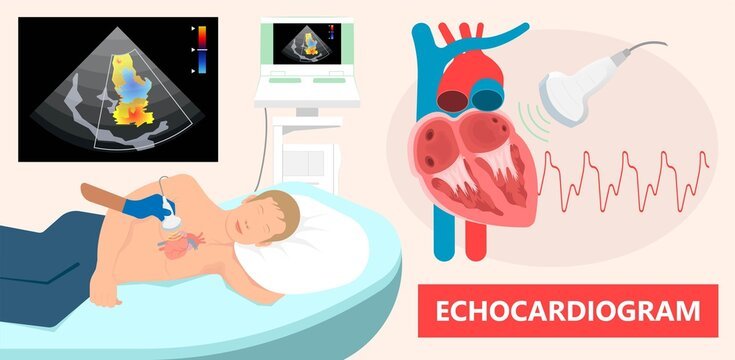
2D Echo
A two-dimensional Echocardiogram or 2D Echo test is a demonstrative test that employs ultrasound waves to evaluate the working of the heart.

Holter Monitoring
Holter monitoring measures your heart activity over an extended period, usually between 24 and 48 hours. Basically, a Holter Monitoring is a portable device which records the heart’s electrical signals.

BP Monitoring
Each time your heart beats, it pumps blood into your arteries. A blood pressure measurement may be a test that measures the force (pressure) in your arteries as your heart pumps.

Coronary Angiography
Coronary angiography diagnoses and evaluates coronary artery blockages. Contrast dye is injected into arteries, enabling X-ray imaging to visualize blood flow and identify narrowing or blockages.
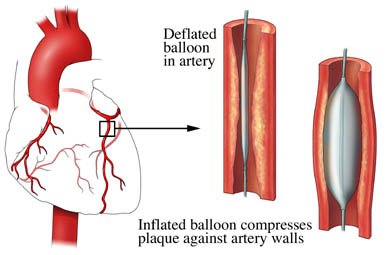
Coronary Angioplasty
Coronary angioplasty is a minimally invasive technique of abdominal artery angioplasty, which is used to treat coronary arteries that are obstructed or constricted and it is the most appropriate technique used by doctors for the treatment.
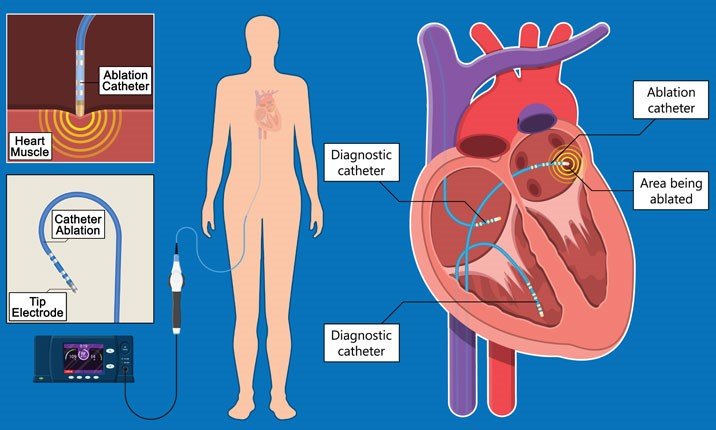
Electrophysiology Study
An Electrophysiology Study (EP study) is a test utilized to assess the heart’s electrical framework and check for abnormal heart rhythms. The natural electrical impulses coordinate the contractions of different parts of the heart.
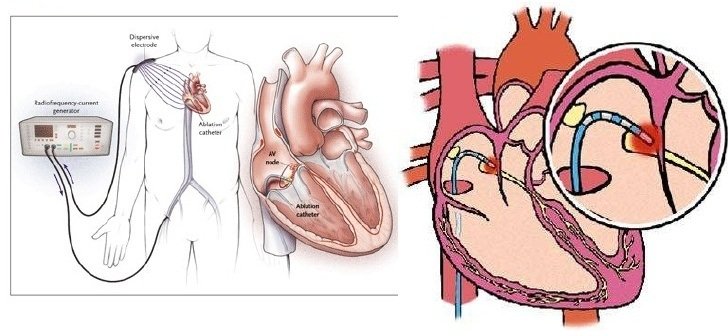
Rediofrequency Ablation
Radiofrequency Ablation (RFA) is a minimally invasive medical procedure that uses high-frequency electrical currents to generate heat, effectively destroying abnormal tissue or cells.
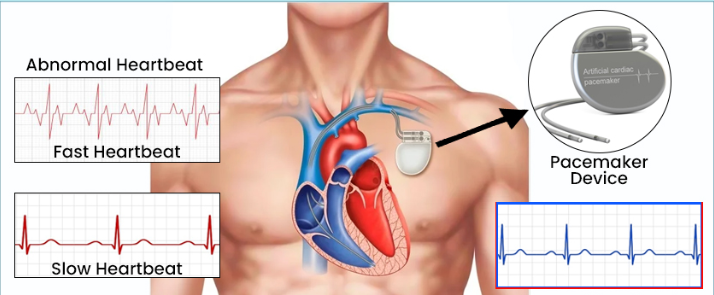
Pacemaker Implantation
Pacemakers are medical devices designed to support and regulate the electrical system of the heart, ensuring it functions properly. This medical procedure entails the insertion of a small device into the chest region.

ICD Implantation
An Implantable Cardioverter-Defibrillator (ICD) is a life-saving device that plays a crucial role in monitoring and regulating heart rhythms. It consists of a pulse generator and leads implanted in the heart.

CRT_P & CRT-D Implantation
CRT implantation is a process in which technological instruments known as CRT-P and CRT-D where p stands for pacemaker and d stands for defibrillator.

Valvuloplasty
A balloon mitral valvuloplasty is a process to extend a restricted heart valve and improve blood flow. The heart valves handle how blood drives through the heart.
Our Achievements in Numbers
Happy Patients
Years of Overall Experience
Hospital Associations
Awards & Recognition
Patient Testimonials
 Girish Kale
Treatment was superb and counselling to patient is very good. My uncle feels very comfortable while getting treated by Dr Rathi.
 Swapnil Chouhan
Doctor Chetan Rathi sir is a very nice and supportive. He explains everything very clearly. The hospital staff is very neat, clean and disciplined. I have had a very good experience here.
 Kuldeep Kapoor
Dr Chetan Rathi Sir is very Polite in nature. He gives full information to Patient regarding their illness. He gives ample of time to Patient in his Chamber.
 Shamod Jadhao
I visited Dr Rathi's clinic as I was having chest pain and palpitation. One of my friend suggested me. He was so calm and friendly listened to my concern very carefully.
Dr Chetan Rathi sir is good cardiologist. I visited him many times with my family and friends for consult about issues related with cardiology.
Our Videos


Our Blog
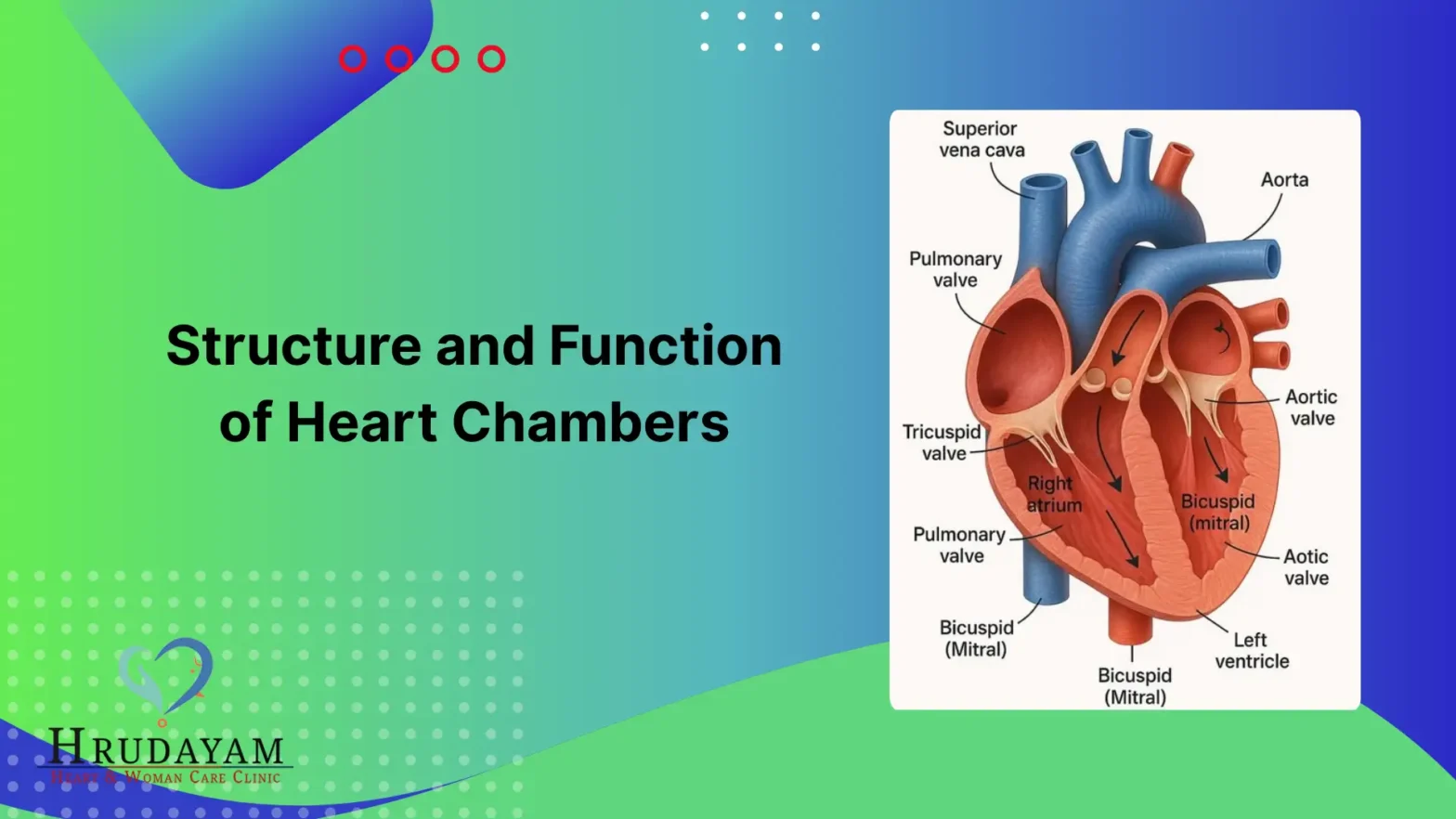 Structure and Function of Heart Chambers Explained
The heart is the most hardworking part of your body. It is a muscle that acts like a pump to send blood everywhere, from your head to your toes. To carry out this work, your heart has a very special design. Let’s see how the heart chambers help keep your body healthy. What are the… Continue reading Structure and Function of Heart Chambers Explained
Read More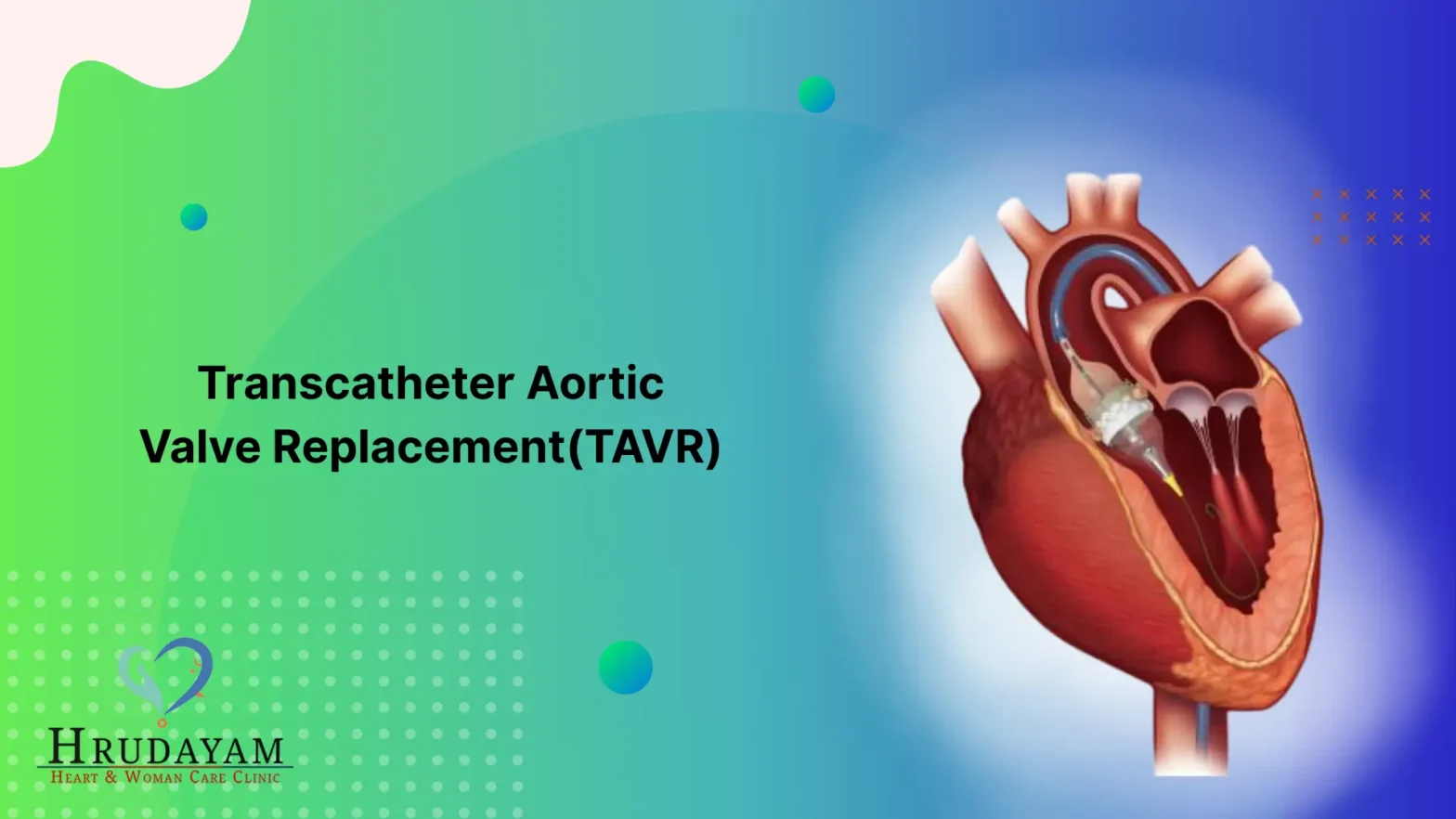 Transcatheter Aortic Valve Replacement (TAVR): Procedure, Benefits & Complications
Your heart functions like a constantly working pump. It has small doors called valves that are responsible for making sure the blood flows in the right direction. Sometimes, these valve doors become stiff and stop opening properly. A replacement procedure named TAVR can come to your rescue in such a situation. Let us find out… Continue reading Transcatheter Aortic Valve Replacement (TAVR): Procedure, Benefits & Complications
Read More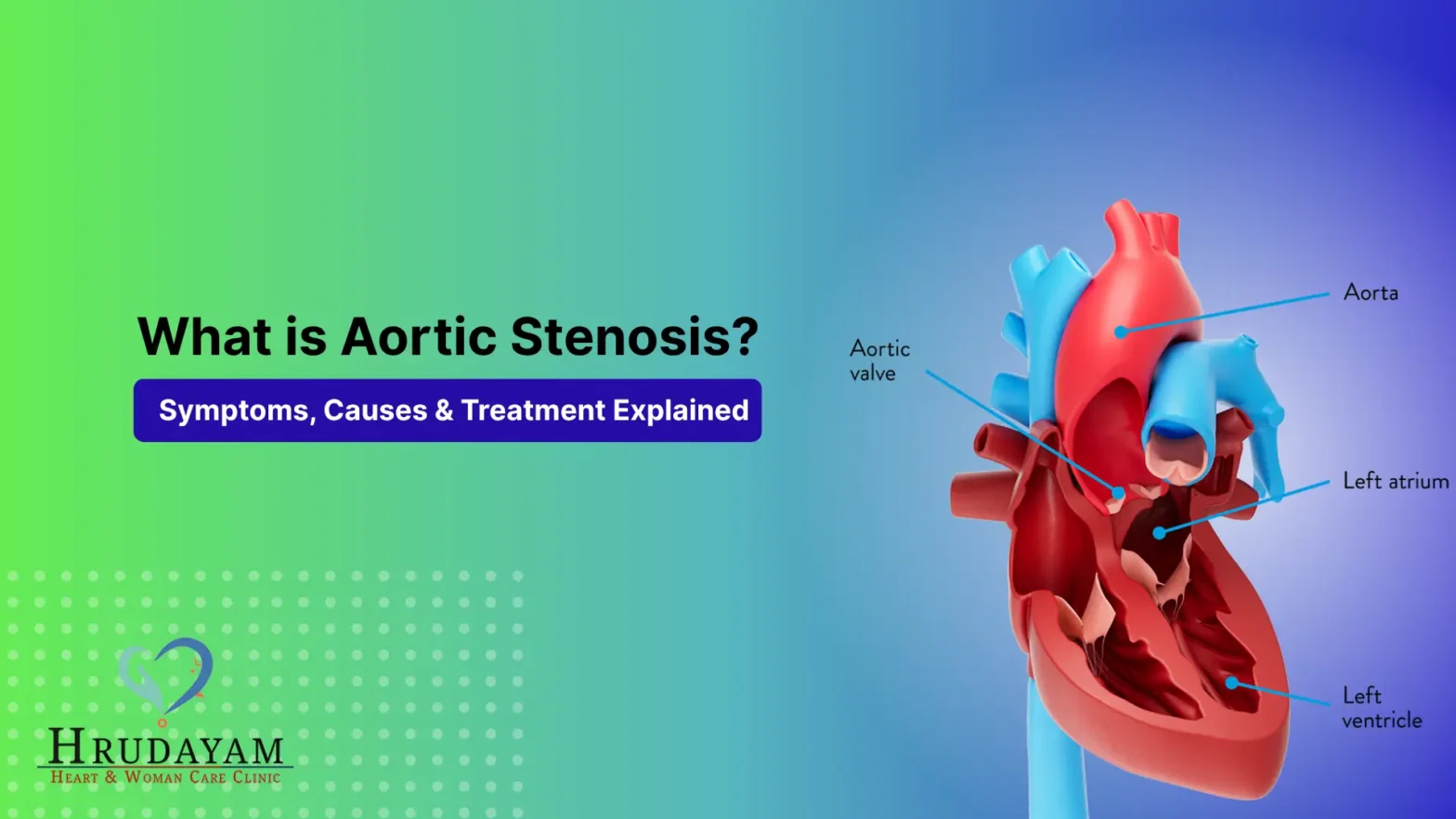 Aortic Stenosis? Symptoms, Causes & Treatment Explained
The heart is like the engine of our body. It circulates blood to every part of us to sustain life. However, one of the “doors” in the heart, also known as a valve, might become narrow. This is referred to as aortic stenosis. When this occurs, the heart has to strain itself significantly in order… Continue reading Aortic Stenosis? Symptoms, Causes & Treatment Explained
Read More