Electrophysiologist in Nagpur
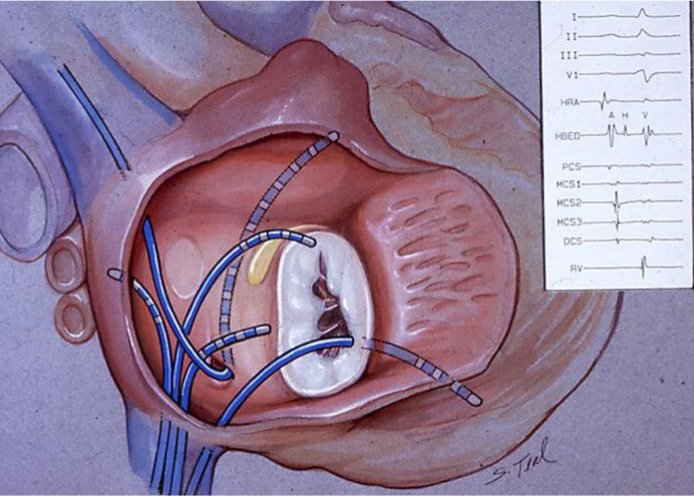
Have you ever experienced an erratic heartbeat for no apparent reason? There is an electrical system within the heart that helps in pumping blood in a steady manner. However, when such an electrical system gets affected, one requires the services of an electrophysiologist. For residents of Maharashtra, consulting an experienced electrophysiologist in Nagpur can help diagnose and treat these heart rhythm problems.
Who is an Electrophysiologist?
An electrophysiologist is a type of cardiologist whose entire focus is on heart rhythm problems. To understand the electrophysiologist meaning, think of them as an electrician for your heart. The doctor examines the heart’s electrical pathways to find the cause of a fast, slow, or irregular heartbeat.
Dr. Chetan Rathi is known for offering comprehensive electrophysiology and arrhythmia care in Nagpur with a focus on accurate diagnosis, minimally invasive procedures, and long-term cardiac health management.
What does an electrophysiologist do?
This doctor specializes in testing and diagnosing issues with electrical systems within the heart. They examine the route that electrical signals take through heart tissue.
What diseases do electrophysiologists treat or help you prevent?
If your heart is working incorrectly, there could be various problems with your health. A cardiologist electrophysiologist treats many heart rhythm disorders and helps reduce the risk of stroke and heart failure.
- Supraventricular tachycardia (SVT): Rapid heartbeats beginning above the bottom sections of your heart.
- Atrial fibrillation (AFIB): It makes the top sections of your heart tremble very rapidly rather than beat normally.
- Atrial tachycardia: This disease causes the upper sections of your heart to beat at an extremely high rate.
- Heart block: Your heart’s electrical impulses work too slowly or not at all.
- Wolff-Parkinson-White syndrome: This additional electric pathway in the heart causes very fast heartbeats since birth.
- Ventricular fibrillation: This is a very rapid heart rhythm in which the bottom sections of your heart quiver and do not contract.
- Ventricular tachycardia: A rapid, steady, and very dangerous heart rhythm originating in the bottom sections of your heart.
- Premature atrial contractions: Extra heartbeats starting in the top sections of your heart.
- Premature ventricular contractions: Extra heartbeats coming from the lower parts of the heart, feeling like a skip in the beat.
- Sick sinus syndrome: An issue with the heart’s natural clock resulting in an abnormally slow heart rate or extremely irregular one.
- Long QT syndrome: An electrical malfunction taking too much time for the heart to recover between beats.
Why Choose Dr. Chetan Rathi?
Choosing the right electrophysiologist is essential for effective treatment and long-term heart health. Dr. Chetan Rathi is trusted by patients for his expertise, advanced cardiac care, and patient-friendly approach.
Reasons to choose Dr. Chetan Rathi:
- Experienced Electrophysiologist in Nagpur
- Advanced EP Study & RF Ablation Procedures
- Expertise in Pacemaker, ICD & CRT Implantation
- Personalized Treatment Approach
- Modern Cardiac Technology
- Comprehensive Arrhythmia Care
- Focus on Patient Safety & Recovery
Early diagnosis can help prevent serious complications and improve long-term heart health.
When should I see an electrophysiologist?
Visit a cardiac arrhythmia specialist if your doctor detects an irregular heartbeat or if you experience unusual heart symptoms. Identifying these symptoms will save you from further problems.
- Shortness of breath: Seek medical attention if you feel short of breath or have difficulty breathing during normal activities.
- Chest pain: Medical examination becomes necessary when you experience any chest pains, squeezing, or pressure sensations in your chest.
- Heart palpitations: Visit your cardiologist when you feel your heart beating in a pounding, racing, and fluttering manner inside your chest.
How to Book an Appointment with an Electrophysiologist in Nagpur
The process of scheduling an appointment with a rhythm expert in Nagpur is quite simple. You could call any of the leading hospitals in Nagpur, browse any credible websites for doctors online, or even get a referral note from your personal physician. It is common practice for many clinics to provide an option of choosing a convenient time slot on their website.
How do electrophysiologists treat heart rhythm issues?
Once they identify the cause, they use appropriate treatments to restore a normal heart rhythm.
- Medication: Medicine taken orally on a daily basis that helps regulate the electrical impulses in order to maintain the proper rhythm of the heart.
- Pacemakers: A small device implanted under the skin that provides mild electric impulses to prevent the heart from beating very slowly.
- Implantable cardioverter defibrillators (ICD): This is an intelligent device that monitors the rhythm of the heart and delivers a shock in order to save you when a dangerous rhythm occurs.
- Cardioversion: Quick procedure done either by medicine or electrical impulses that helps correct the heart rhythm.
- Catheter ablation: Procedure where the doctor destroys part of the heart muscle through either heat or cold.
What kind of tests does an electrophysiologist do?
In order to understand how the heart responds to electricity, there is a range of basic equipment and scans used by such specialists. These tests will help them to observe the work of the heart or get images of it.
Electrophysiology study
A doctor will insert thin wires into the heart in order to map its electrical system.
Tilt table test
A patient lies on a special table, which can be tilted up in order to assess the changes in heart rate.
Electrocardiogram (ECG)
A quick test that uses electrodes attached to the body to record the heart’s electrical activity.
Event monitor
Recording device worn by the patient for several weeks.
Holter monitor
Device worn by the patient for 24-48 hours recording heartbeats nonstop.
Transthoracic echocardiogram (TTE)
Ultrasound machine placed on your chest to produce images using sound waves through your heart walls.
Transesophageal echocardiogram (TEE)
Insertion of a tiny tube into your throat to generate crystal-clear sound wave images from the back of your heart.
Computed tomography (CT)
Quick x-ray imaging to create 3D images of your heart’s blood vessels.
Heart MRI
Uses magnetic fields and radio waves to create detailed images of the heart.
Our Medical Services

ECG
An electrocardiogram (ECG) is one of the only and speediest tests utilized to survey the heart. Anodes (small, plastic patches that stick to the skin) are set at certain spots on the chest, arms, and legs.
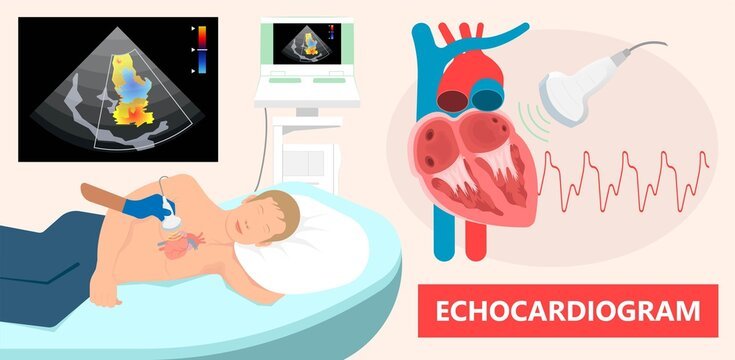
2D Echo
A two-dimensional Echocardiogram or 2D Echo test is a demonstrative test that employs ultrasound waves to evaluate the working of the heart.

Holter Monitoring
Holter monitoring measures your heart activity over an extended period, usually between 24 and 48 hours. Basically, a Holter Monitoring is a portable device which records the heart’s electrical signals.

BP Monitoring
Each time your heart beats, it pumps blood into your arteries. A blood pressure measurement may be a test that measures the force (pressure) in your arteries as your heart pumps.

Coronary Angiography
Coronary angiography diagnoses and evaluates coronary artery blockages. Contrast dye is injected into arteries, enabling X-ray imaging to visualize blood flow and identify narrowing or blockages.
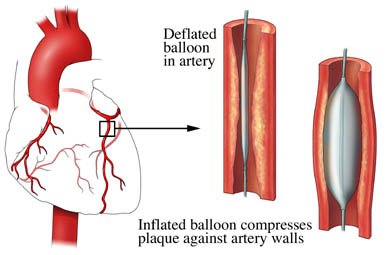
Coronary Angioplasty
Coronary angioplasty is a minimally invasive technique of abdominal artery angioplasty, which is used to treat coronary arteries that are obstructed or constricted and it is the most appropriate technique used by doctors for the treatment.
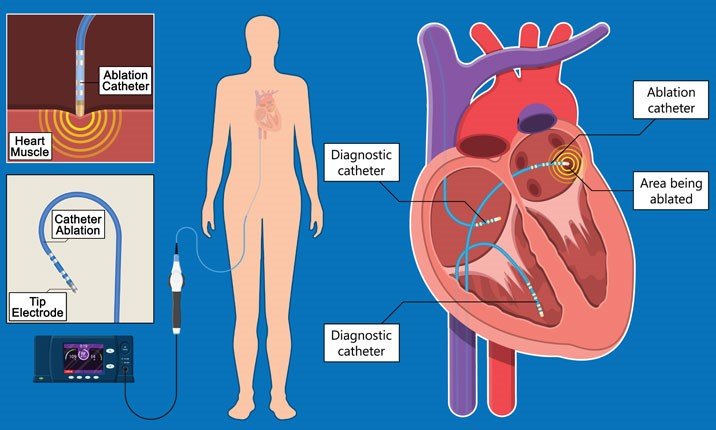
Electrophysiology Study
An Electrophysiology Study (EP study) is a test utilized to assess the heart’s electrical framework and check for abnormal heart rhythms. The natural electrical impulses coordinate the contractions of different parts of the heart.

Best Cardiologist in Nagpur
Introducing Dr. Chetan Rathi, a distinguished Cardiologist in Nagpur, whose eminence transcends the realm of medical proficiency.
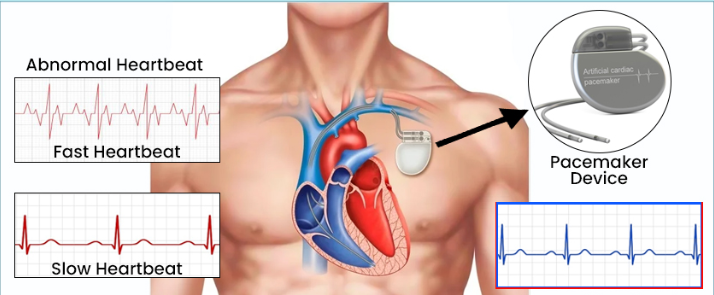
Pacemaker Implantation
Pacemakers are medical devices designed to support and regulate the electrical system of the heart, ensuring it functions properly. This medical procedure entails the insertion of a small device into the chest region.

ICD Implantation
An Implantable Cardioverter-Defibrillator (ICD) is a life-saving device that plays a crucial role in monitoring and regulating heart rhythms. It consists of a pulse generator and leads implanted in the heart.

CRT_P & CRT-D Implantation
CRT implantation is a process in which technological instruments known as CRT-P and CRT-D where p stands for pacemaker and d stands for defibrillator.

valvuloplasty
A balloon mitral valvuloplasty is a process to extend a restricted heart valve and improve blood flow. The heart valves handle how blood drives through the heart.

Our Achievements in Numbers
Happy Patients
Years of Overall Experience
Specialisations
Hospital Associations
Awards & Recognition
Patient Testimonials
 Girish Kale
Treatment was superb and counselling to patient is very good. My uncle feels very comfortable while getting treated by Dr Rathi.
 Swapnil Chouhan
Doctor Chetan Rathi sir is a very nice and supportive. He explains everything very clearly. The hospital staff is very neat, clean and disciplined. I have had a very good experience here.
 Kuldeep Kapoor
Dr Chetan Rathi Sir is very Polite in nature. He gives full information to Patient regarding their illness. He gives ample of time to Patient in his Chamber.
 Shamod Jadhao
I visited Dr Rathi's clinic as I was having chest pain and palpitation. One of my friend suggested me. He was so calm and friendly listened to my concern very carefully.
Dr Chetan Rathi sir is good cardiologist. I visited him many times with my family and friends for consult about issues related with cardiology.
Our Videos


Our Blog
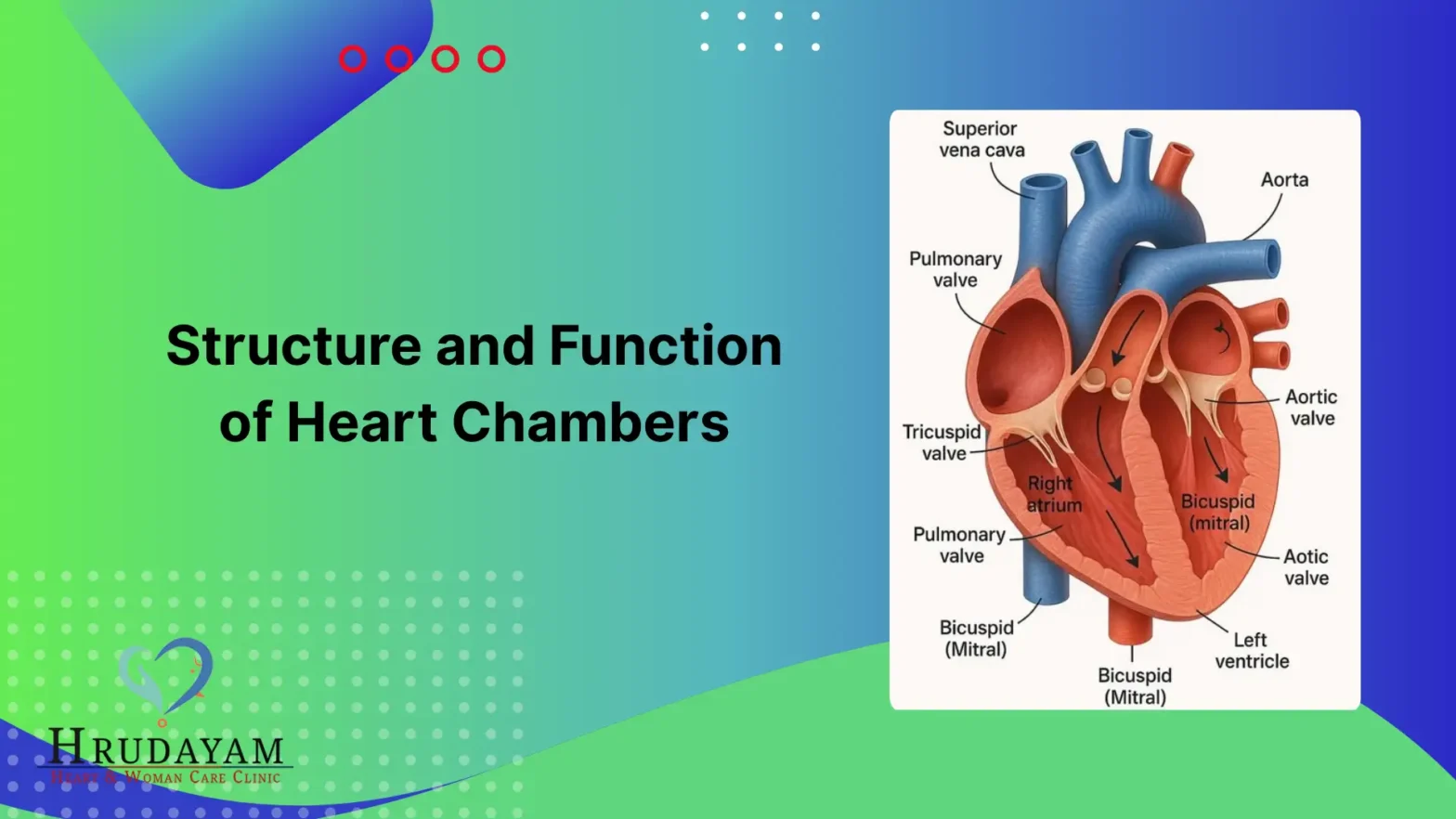 Structure and Function of Heart Chambers Explained
The heart is the most hardworking part of your body. It is a muscle that acts like a pump to send blood everywhere, from your head to your toes. To carry out this work, your heart has a very special design. Let’s see how the heart chambers help keep your body healthy. What are the… Continue reading Structure and Function of Heart Chambers Explained
Read More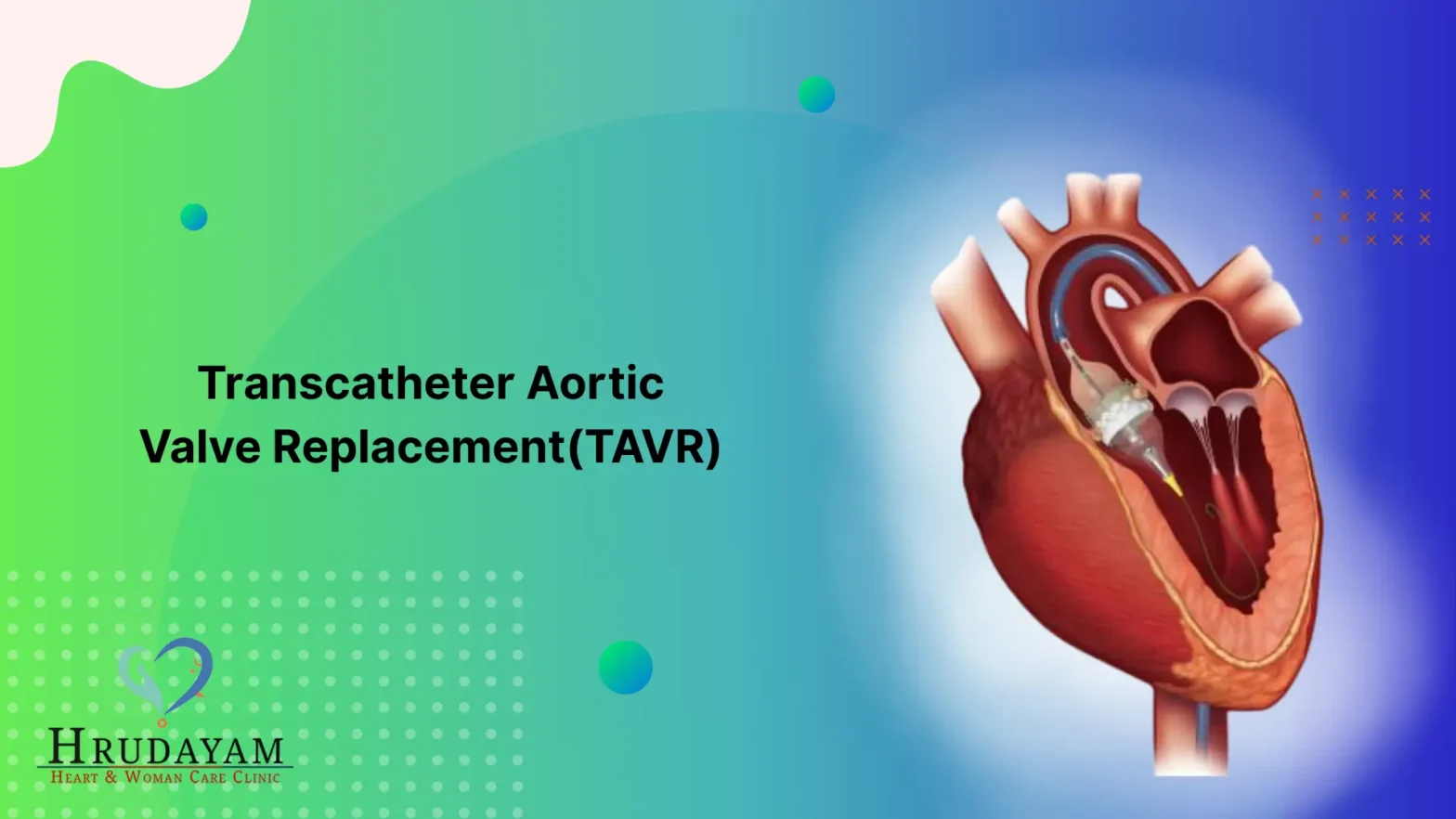 Transcatheter Aortic Valve Replacement (TAVR): Procedure, Benefits & Complications
Your heart functions like a constantly working pump. It has small doors called valves that are responsible for making sure the blood flows in the right direction. Sometimes, these valve doors become stiff and stop opening properly. A replacement procedure named TAVR can come to your rescue in such a situation. Let us find out… Continue reading Transcatheter Aortic Valve Replacement (TAVR): Procedure, Benefits & Complications
Read More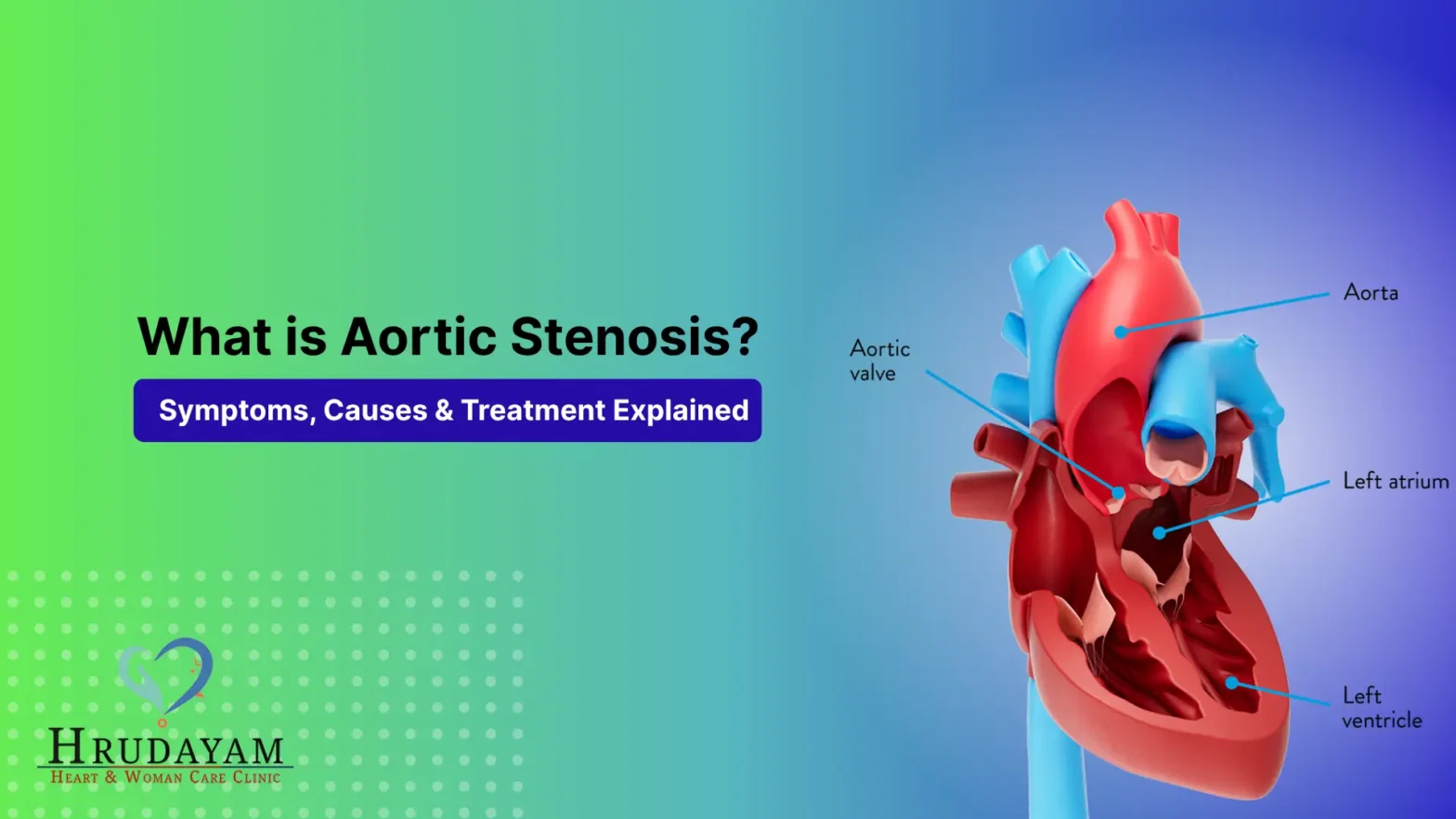 Aortic Stenosis? Symptoms, Causes & Treatment Explained
The heart is like the engine of our body. It circulates blood to every part of us to sustain life. However, one of the “doors” in the heart, also known as a valve, might become narrow. This is referred to as aortic stenosis. When this occurs, the heart has to strain itself significantly in order… Continue reading Aortic Stenosis? Symptoms, Causes & Treatment Explained
Read More