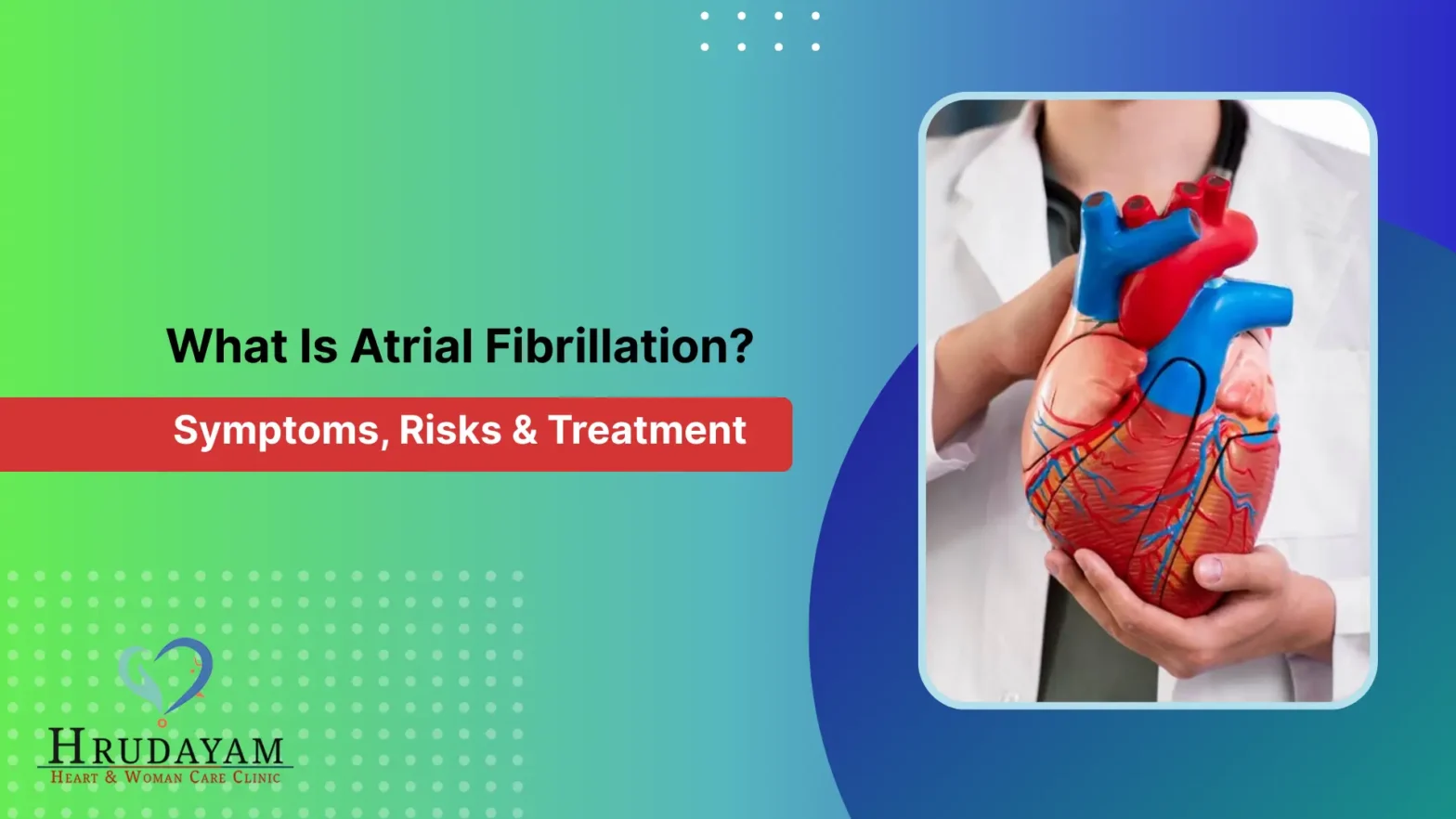
Atrial fibrillation is a frequently occurring issue with heart rhythms. The heart does not pump blood properly. A lot of people have the condition but do not realize it. Early treatment can reduce health risks and improve quality of life.
What is Atrial Fibrillation
What is atrial fibrillation? It is a condition where the heart’s upper chambers do not beat in sync. Hence, an irregular heartbeat results. At times blood is unable to flow smoothly in and out of the heart, which eventually increases the chances of strokes and heart illnesses.
Types of Atrial Fibrillation
Depending on its duration, atrial fibrillation can manifest in different forms.
- Paroxysmal atrial fibrillation: this type appears abruptly and disappears by itself after a few hours or days.
- Persistent atrial fibrillation: this type lasts for more than a week and generally requires treatment to end it.
- Long-standing atrial fibrillation: this type lasts for more than one year and thus is difficult to control.
- Permanent atrial fibrillation: This type is always there even with treatment and thereby requires long-term management.
Atrial Fibrillation Symptoms
The symptoms of atrial fibrillation can vary from being quite mild to very strong, and some patients even report not feeling anything at all.
- Rapid or irregular heartbeat
- Constant fatigue
- Difficulty breathing
- Discomfort or pain in the chest
- Dizziness or faintness
- General weakness
- Difficulty in physical activities
- Nervousness or restlessness
Atrial Fibrillation Causes
Atrial fibrillation causes are mainly associated with heart disease and other medical conditions.
- High blood pressure: Constant pressure makes the heart work harder than normal.
- Coronary artery disease: Diminished blood flow to the heart due to clogged arteries.
- Heart valve diseases: Impaired valves that cause disorderly blood circulation.
- Heart failure: A condition where the heart cannot pump blood effectively.
- Past heart surgery: Surgery can create different rhythm patterns in the heart.
- Thyroid conditions: Overactivity of the thyroid gland can lead to increased heart rate.
- Diabetes: High blood sugar damages blood vessels and affects heart health.
Atrial Fibrillation Heart Rate
A normal heart rate is steady and regular. In atrial fibrillation, the heart rate becomes fast and irregular. It may suddenly speed up or feel like fluttering. This erratic atrial fibrillation heart rate may make ordinary activities more difficult and lead to fatigue.
Atrial Fibrillation Treatment Options
The treatment of atrial fibrillation is based on the patient’s symptoms, age, and overall health.
Medications: The medications play a role in controlling heart rate and rhythm, and in some cases they also cut the risk of blood clots. These medications are normally the very first step in the management of atrial fibrillation, and many people find them very effective.
Electrical Cardioversion: This is a medical procedure that resets the heart rhythm by means of controlled electric shocks. It is done within the hospital environment, and the aim is to bring the heart back to its normal rhythm in a safe way.
Catheter Ablation: This process makes use of very thin tubes to correct the heart’s faulty signals. The small areas of heart tissue responsible for the irregular beats are destroyed. It is a good option when the medicines are not effective.
Lifestyle Changes: Adopting a healthy lifestyle is one of the best ways of taking care of your heart. A healthy lifestyle includes eating wholesome foods, quitting smoking, managing stress, and exercising regularly. Lifestyle changes have a significant impact on atrial fibrillation treatment in the long term.
Conclusion
Atrial fibrillation is a serious but controllable heart condition. Recognizing the symptoms of atrial fibrillation can lead to prompt care. Knowing the causes and treatment options helps manage the condition and reduce risks. Many individuals, along with the right medical and lifestyle changes, can live full and active lives.
FAQs for Atrial Fibrillation?
Can my heart go back to normal after AFib?
In numerous instances, the heart does revert to a normal rhythm. The type of atrial fibrillation and the timing of the start of treatment are factors that influence this outcome.
When can I visit the doctor?
Whenever you experience a fast heart rate, chest pain, or shortness of breath, you should get a doctor’s appointment. Quick treatment is a great way to minimize the risk of complications.
Can I use a fitness tracker or a smart watch to monitor my Atrial Fibrillation?
Absolutely, several smart gadgets can monitor heart rates and rhythms. They can assist in noticing variations but should not be considered a replacement for medical examinations.
Is Atrial Fibrillation curable or permanent?
There are a few types that are of short duration and are manageable, while others are likely to be lifelong. Treatment is all about symptom control and risk reduction.
Can I still exercise with AFIB? Won’t it make my heart beat too fast?
Light to moderate exercises are often safe. The entire process should be supervised by an organized medical team to maintain the atrial fibrillation heart rate.
