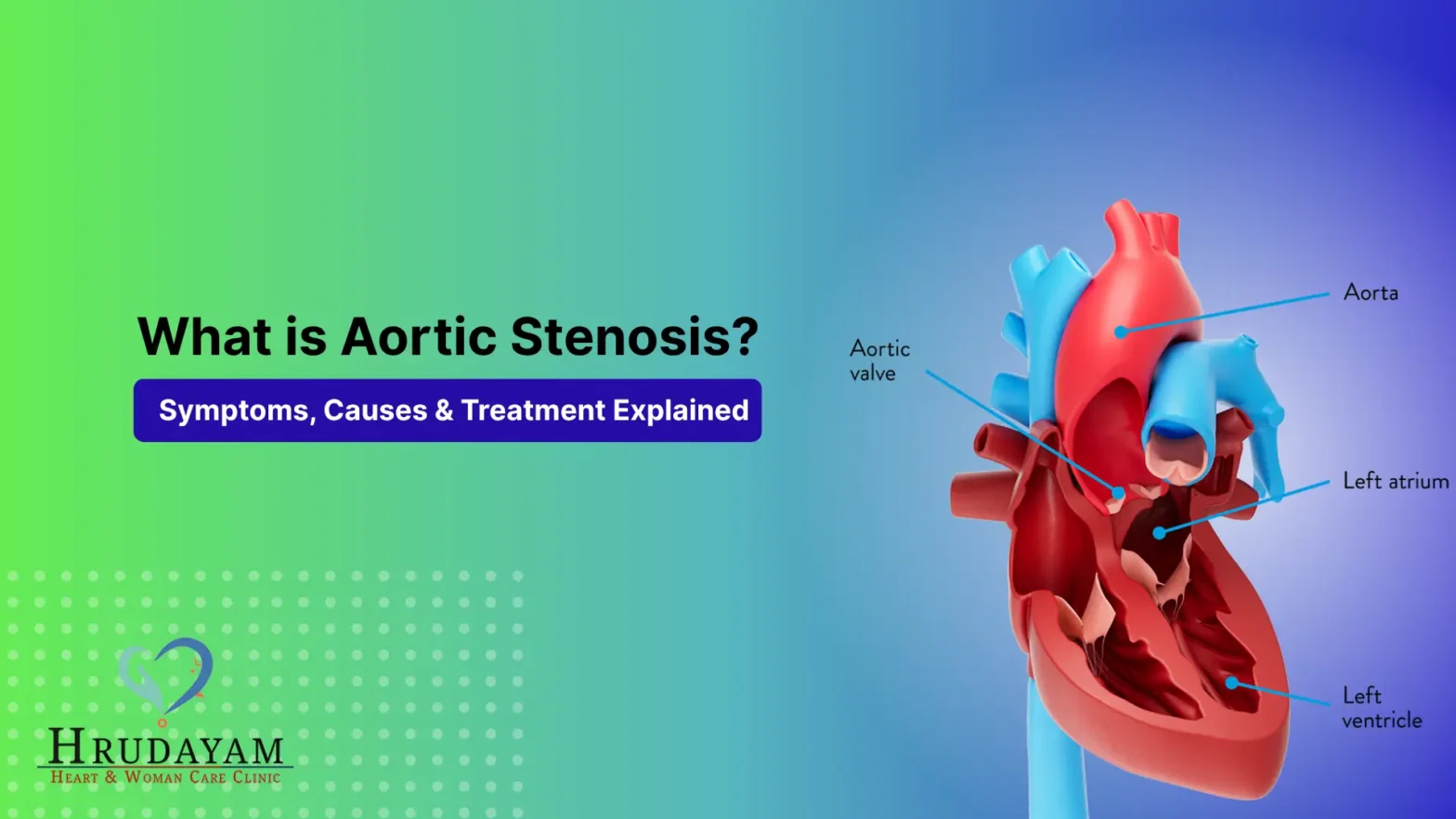
The heart is like the engine of our body. It circulates blood to every part of us to sustain life. However, one of the “doors” in the heart, also known as a valve, might become narrow. This is referred to as aortic stenosis. When this occurs, the heart has to strain itself significantly in order to push blood through a limited opening. If you or a loved one is concerned about heart health, understanding the aortic stenosis meaning is a great first step.
What is Aortic Stenosis?
So, what is aortic stenosis? Envision a garden hose with a small stone inside. The water can still flow but with difficulty. In your heart, the aortic valve is the main exit door. Aortic stenosis indicates that this door is either stiff or narrow and cannot be fully opened. Due to the small opening, the heart is required to work more vigorously to push the blood out.
Aortic Stenosis Symptoms You Should Not Ignore
At times, you might not experience any sign in the beginning. Yet, as the narrowing becomes serious, your body will manifest symptoms. Here is a list of the usual aortic stenosis signs:
- Chest pain or tightness: You might experience a heavy pressure in your chest, especially if you are physically active.
- Shortness of breath: Having the sensation that you cannot get enough air after a brief walk.
- Fatigue and weakness: Being extremely tired even after having a good rest.
- Dizziness or fainting: Feeling lightheaded or fainting due to reduced blood flow from the heart, especially during physical activity.
- Heart palpitations: Having the sensation that your heart is racing, fluttering, or skipping a beat.
Causes of Aortic Stenosis
There are a few primary reasons for the development of aortic stenosis:
- Age-related calcium buildup: With aging, calcium (a hard mineral) may accumulate on the valve, causing it to become rigid.
- Congenital heart defects (bicuspid valve): Some people inherit a valve with only two flaps instead of the usual three. This is termed a bicuspid valve.
- Rheumatic fever complications: This disease can lead to scarring of the heart valves.
- Risk factors (high blood pressure, smoking, cholesterol): Smoking, high blood pressure, and high cholesterol can enhance the rate of valve damage.
How is Aortic Stenosis Diagnosed?
If a doctor suspects aortic stenosis, they may recommend the following tests:
- Physical examination: With a stethoscope, the doctor listens to the heart to identify a murmur, a “whooshing” sound.
- Echocardiogram: This test uses ultrasound to check the movement of the heart valves.
- ECG and chest X-ray: Tests for the examination of the heart’s rhythm and structure.
- Cardiac catheterization: A small tube is used to get a detailed view of the heart.
- Angiography: Using a special dye and X-rays, doctors use contrast dye and X-rays to check for blockages or abnormalities in the heart’s blood vessels.
Treatment Options for Aortic Stenosis
The goal of aortic stenosis treatment is to relieve symptoms, improve blood flow, and prevent serious complications such as heart failure.
- Medications for symptom management: They are used to ease symptoms such as high blood pressure. However, they cannot repair the valve.
- Surgical valve replacement: The doctor removes the damaged valve and implants a new one.
- Transcatheter Aortic Valve Replacement (TAVR): A minimally invasive technique where the valve is replaced with the help of a thin tube, without the need for open-heart surgery.
- Lifestyle changes: Healthy eating and stopping smoking contribute to having a strong heart.
What are the Risk Factors for Aortic Stenosis?
There are certain factors that increase the likelihood of a person getting this disease. For instance, being older than 65 years, having a past of heart infections (such as endocarditis), or suffering from chronic kidney disease.
Getting regular health screenings can help you identify these risk factors early before they become serious health problems.
Conclusion
Sometimes a heart disorder can be too much to handle, but with suitable treatment, the majority of people are able to live normal and active lives. Professional treatment, for example, that of Dr. Chetan Rathi, a reputed cardiologist in Nagpur, will give you a customized plan that fits your requirements.
Dr. Rathi is well-known for his in-depth knowledge of heart valve diseases and the fact that his patients always come first. Making that initial effort to visit a specialist could really be the turning point for your overall heart health.
FAQs About Aortic Stenosis
How common is aortic stenosis?
It is very common, especially among older adults over 65 years of age.
How fast does the condition progress?
That depends on the individual. Some people remain stable for a long time, while others deteriorate rapidly.
What are the complications of aortic stenosis?
Untreated aortic stenosis can cause heart failure, clot formation, or stroke.
Can aortic stenosis be prevented?
While age-related valve changes cannot be prevented, managing risk factors such as high blood pressure, high cholesterol, and smoking may help support overall heart health.
Is aortic stenosis life threatening?
Yes, in severe cases the condition requires medical intervention to prevent irreversible heart damage.
How long does aortic stenosis take to recover from this treatment?
Recovery time varies depending on the patient’s overall health and the type of treatment performed. Many people recover faster after TAVR than after open-heart surgery.
