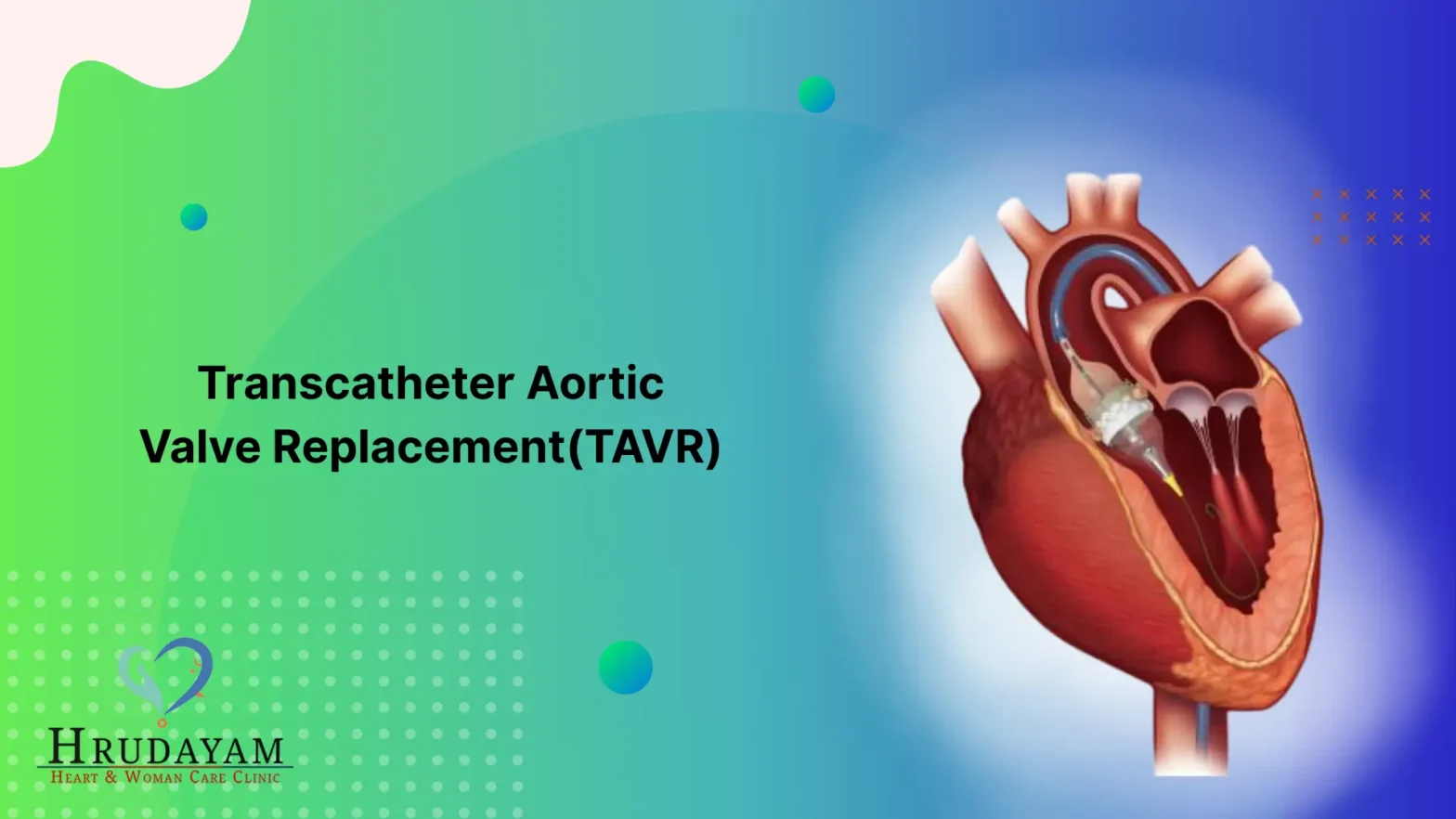
Your heart functions like a constantly working pump. It has small doors called valves that are responsible for making sure the blood flows in the right direction. Sometimes, these valve doors become stiff and stop opening properly. A replacement procedure named TAVR can come to your rescue in such a situation. Let us find out a bit more about it.
What is TAVR?
The TAVR full form is “Transcatheter Aortic Valve Replacement.” Previously, repairing a valve in the heart involved major surgery, which included opening the chest. TAVR surgery is a completely different concept. It is a minimally invasive procedure where the heart is repaired through a small incision. Instead of making a big incision, the doctors use a very thin and flexible tube to insert a new valve in the place of the old, damaged one.
Why is Transcatheter Aortic Valve Replacement (TAVR) Done?
Mostly, the person who is suffering from “aortic stenosis” and whose aortic valve is so narrow and hard that the heart cannot pump blood properly is the one who undergoes this procedure. Due to this, the heart has to work excessively hard, and this is prevented with this procedure.
Indications for Transcatheter Aortic Valve Replacement (TAVR)
Want to know if this is what you need? Here are the criteria that make this a must for you:
- The aortic valve is extremely narrow (severe stenosis).
- You experience difficulty breathing, fatigue, or both.
- The standard surgical method might be too dangerous for you.
- You desire a quicker healing time.
Benefits of Transcatheter Aortic Valve Replacement (TAVR)
The great thing about TAVR is how dramatically it improves your life. A lot of people actually find that their breathing gets much easier. Normally, you will only have to stay around a day or two in the hospital instead of a week. Also, you get less pain, you do not get big scars, and you can resume your favorite activities much quicker.
Step-by-Step Main Events of the TAVR Procedure
- Sleepy time: You will get medicine to make you sleep or feel very relaxed.
- The Tube: The doctor puts a thin tube (catheter) into a blood vessel, usually in your leg.
- The Journey: Using a special X-ray screen, the doctor guides the tube up to your heart.
- The New Valve: A new valve, made of natural tissue, is tucked inside the tube.
- The Placement: Once it reaches the old valve, the new one is expanded. It pushes the old valve pieces out of the way and starts working right away.
- The Finish: The tube is taken out, and the tiny hole is closed.
How to Prepare for Transcatheter Aortic Valve Replacement (TAVR)
Readying yourself for the operation is very simple. The heart team will ask you for some tests like blood work and transthoracic echocardiogram (TTE). At the same time, it wouldn’t hurt to organize with a friend or family member in case you need help getting home after the operation.
TAVR procedure complications
- Bleeding from where the tube went in.
- Minor changes to the heart rhythm.
- Stroke (a small risk).
- Leaking around the new valve.
The majority of patients have very positive outcomes. In fact, your doctor will discuss these possibilities with you in advance.
Conclusion
The TAVR procedure is a real wonder of modern medicine. It enables individuals to regain their vigor without undergoing a lengthy and difficult recovery. If the condition of your heart valve is causing you problems, TAVR could be the “secret” that leads to a longer and more satisfying life.
FAQ’s of TAVR Surgery
What is the cost of TAVR Procedure in India
The TAVR procedure cost in India is quite cheaper than that of Western countries. The price range can be from ₹15 Lakhs ₹25 Lakhs depending on the hospital and the valve type.
Can I eat normally after Transcatheter Aortic Valve Replacement (TAVR)?
Of course! Simply from the moment you are totally awake, you are generally allowed to have a light meal. In the far future, your doctor will recommend a heart-healthy diet that is packed with fruits and vegetables.
What is the Recovery Timeline After TAVR surgery?
Usually, most patients are up and moving the day after. Typically, you are able to get discharged from the hospital within 24 to 48 hours. Most people report feeling “normal again” by about one or two weeks.
Is Transcatheter Aortic Valve Replacement (TAVR) safe during pregnancy?
This situation hardly ever occurs. TAVR is mainly intended for older persons. However, if a pregnant woman were to undergo this, a team of doctors would be very closely collaborating in order to ensure the safety of both mom and baby.
How does hypertension impact Transcatheter Aortic Valve Replacement (TAVR)?
Hypertension (high blood pressure) results in the heart having to work extra. It is very key to keep your blood pressure well regulated both prior to and after the procedure so as to ensure that your new valve serves you for a long time.
