CRT-P & CRT-D Implantation Procedure in Nagpur

CRT which is abbreviated as Cardiac Resynchronization Therapy is a medical treatment for a person with heart failure and some types of heartbeat disorders. CRT implantation is a process in which technological instruments known as CRT-P and CRT-D where p stands for pacemaker and d stands for defibrillator. These machines are developed to assist in enhancing the heart’s pumping capability and overall operation.
Procedure of CRT-P and CRT-D
- The implantation of CRT-P and CRT-D devices is conducted in a hygienic environment, usually in a specialized cardiac electrophysiology laboratory or operating space.
- Local anesthesia is administered to numb the implantation area, usually just below the collarbone.
- A tiny opening is created to make a pouch for the device.
- Thin insulated wires of lead are positioned into the blood vessels and governed to the heart of the patient.
- The machine which is a pacemaker or defibrillator is placed in the cavity in the soul, and later the wires are connected to it.
- The machine is experimented with to provide its functions accurately.
- The opening is closed, and the patient is observed for any instantaneous difficulties.
Benefits of CRT-P and CRT-D
- Both CRT-P and CRT-D machines can seriously enhance heart failure signs, such as tiredness, and lack of breath, and practice patience.
- CRT D system implantation also delivers security against premature cardiac death due to ventricular arrhythmias.
Why CRT-P and CRT-D is done?
CRT P implantation and CRT-D implantation are executed to help and handle typical heart disorders, specifically heart failure and some heartbeat disorders.
Risks involved in CRT-P and CRT-D
- Implantation operations have risks, including bleeding, sickness, and injury to blood containers or the heart.
- CRT-D machines have the possibility for difficulties associated with defibrillation, such as improper shocks or machine lead dislodgement.
General Benefits of Both CRT-P and CRT-D Implantation
Here are some general benefits of both CRT-P and CRT-D Implantation:
Personalized Therapy
Device settings can be adjusted and optimized to suit individual patient needs, ensuring personalized therapy.
Long-Term Management
With proper care and monitoring, these devices can provide long-term benefits in managing heart failure and specific arrhythmias.
Improved Survival Rates
Studies have shown that CRT-P and CRT-D devices can improve survival rates and reduce mortality in certain groups of heart failure patients.
Advancements in Technology
Ongoing technological advancements lead to smaller devices, longer battery life, and improved algorithms for better therapy delivery and patient outcomes.
What Need To Do After the CRT-P & CRT-D Implantation?
Patients mandate regular follow-up visits to observe the device’s position, modify settings, and confirm the patient’s overall health.
Traditional remote monitoring abilities are known for early detection of problems and machine programming adjustments.
Our Medical Services
ECG
An electrocardiogram (ECG) is one of the only and speediest tests utilized to survey the heart. Anodes (small, plastic patches that stick to the skin) are set at certain spots on the chest, arms, and legs.
2D Echo
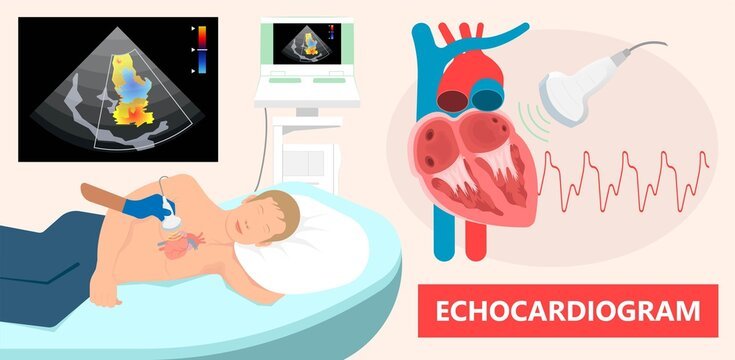
A two-dimensional Echocardiogram or 2D Echo test is a demonstrative test that employs ultrasound waves to evaluate the working of the heart.

Holter Monitoring
Holter monitoring measures your heart activity over an extended period, usually between 24 and 48 hours. Basically, a Holter Monitoring is a portable device which records the heart’s electrical signals.

BP Monitoring
Each time your heart beats, it pumps blood into your arteries. A blood pressure measurement may be a test that measures the force (pressure) in your arteries as your heart pumps.

Coronary Angiography
Coronary angiography diagnoses and evaluates coronary artery blockages. Contrast dye is injected into arteries, enabling X-ray imaging to visualize blood flow and identify narrowing or blockages.
Coronary Angioplasty
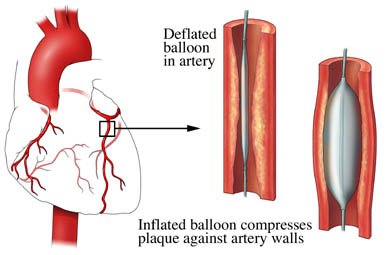
Coronary angioplasty is a minimally invasive technique of abdominal artery angioplasty, which is used to treat coronary arteries that are obstructed or constricted and it is the most appropriate technique used by doctors for the treatment.
Electrophysiology Study
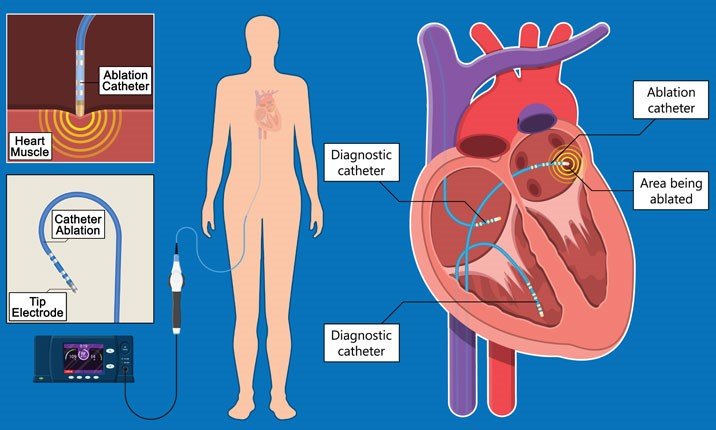
An Electrophysiology Study (EP study) is a test utilized to assess the heart’s electrical framework and check for abnormal heart rhythms. The natural electrical impulses coordinate the contractions of different parts of the heart.
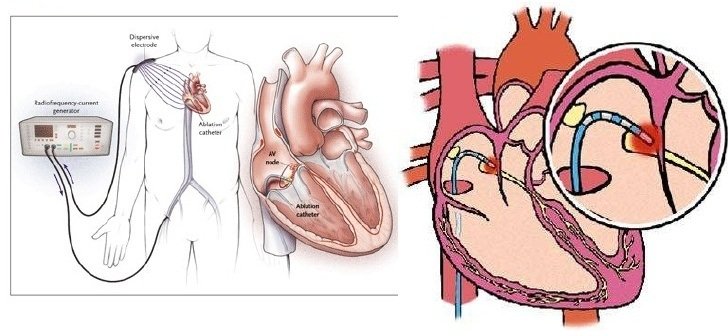
Radiofrequency Ablation
Radiofrequency Ablation (RFA) is a minimally invasive medical procedure that uses high-frequency electrical currents to generate heat, effectively destroying abnormal tissue or cells.
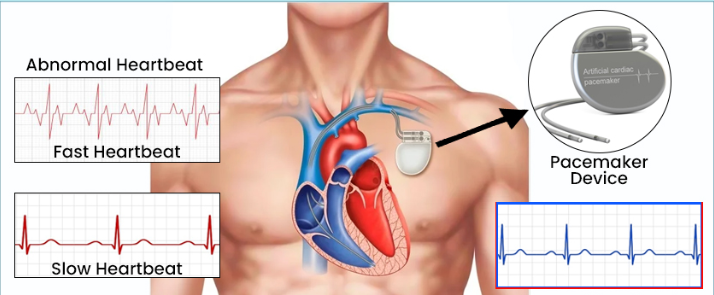
Pacemaker Implantation
Pacemakers are medical devices designed to support and regulate the electrical system of the heart, ensuring it functions properly. This medical procedure entails the insertion of a small device into the chest region.

ICD Implantation
An Implantable Cardioverter-Defibrillator (ICD) is a life-saving device that plays a crucial role in monitoring and regulating heart rhythms. It consists of a pulse generator and leads implanted in the heart.

Best Cardiologist in Nagpur
Introducing Dr. Chetan Rathi, a distinguished Cardiologist in Nagpur, whose eminence transcends the realm of medical proficiency.

Valvuloplasty
A balloon mitral valvuloplasty is a process to extend a restricted heart valve and improve blood flow. The heart valves handle how blood drives through the heart.
Our Achievements in Numbers
Happy Patients
Years of Overall Experience
Specialisations
Hospital Associations
Awards & Recognition
Patient Testimonials
 Girish Kale
Treatment was superb and counselling to patient is very good. My uncle feels very comfortable while getting treated by Dr Rathi.
 Swapnil Chouhan
Doctor Chetan Rathi sir is a very nice and supportive. He explains everything very clearly. The hospital staff is very neat, clean and disciplined. I have had a very good experience here.
 Kuldeep Kapoor
Dr Chetan Rathi Sir is very Polite in nature. He gives full information to Patient regarding their illness. He gives ample of time to Patient in his Chamber.
 Shamod Jadhao
I visited Dr Rathi's clinic as I was having chest pain and palpitation. One of my friend suggested me. He was so calm and friendly listened to my concern very carefully.
Dr Chetan Rathi sir is good cardiologist. I visited him many times with my family and friends for consult about issues related with cardiology.
Our Videos


Our Blog
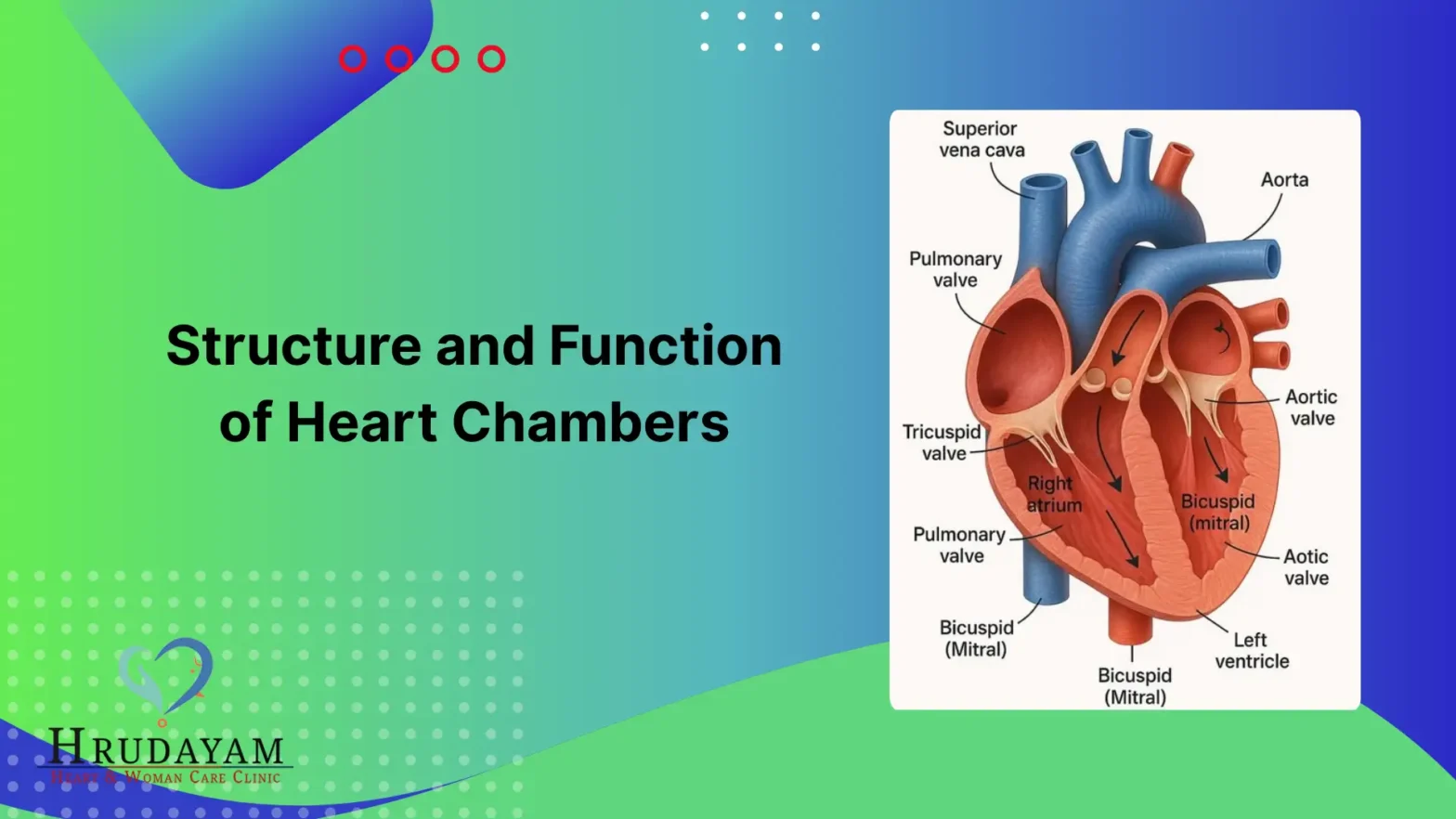 Structure and Function of Heart Chambers Explained
The heart is the most hardworking part of your body. It is a muscle that acts like a pump to send blood everywhere, from your head to your toes. To carry out this work, your heart has a very special design. Let’s see how the heart chambers help keep your body healthy. What are the… Continue reading Structure and Function of Heart Chambers Explained
Read More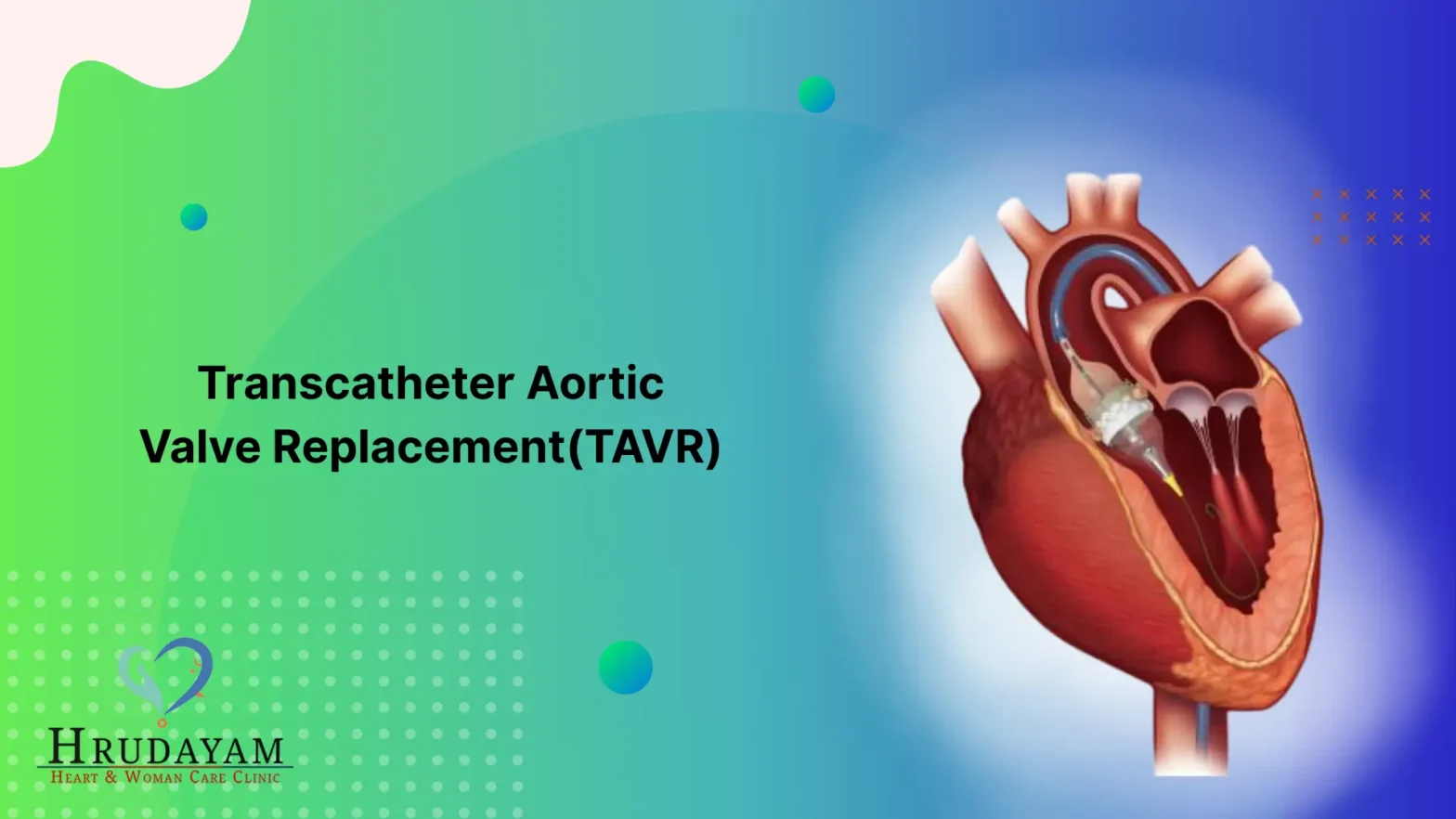 Transcatheter Aortic Valve Replacement (TAVR): Procedure, Benefits & Complications
Your heart functions like a constantly working pump. It has small doors called valves that are responsible for making sure the blood flows in the right direction. Sometimes, these valve doors become stiff and stop opening properly. A replacement procedure named TAVR can come to your rescue in such a situation. Let us find out… Continue reading Transcatheter Aortic Valve Replacement (TAVR): Procedure, Benefits & Complications
Read More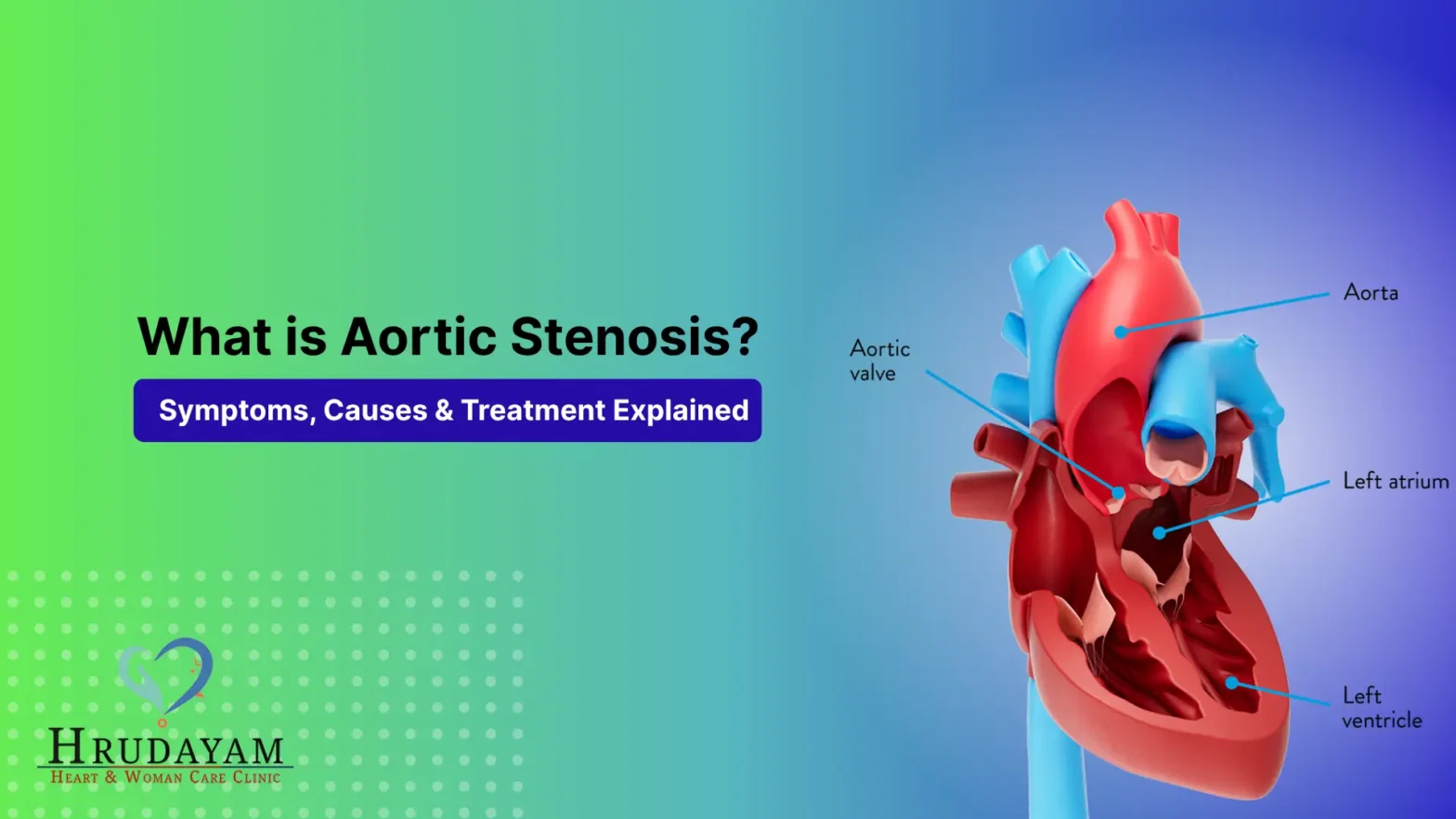 Aortic Stenosis? Symptoms, Causes & Treatment Explained
The heart is like the engine of our body. It circulates blood to every part of us to sustain life. However, one of the “doors” in the heart, also known as a valve, might become narrow. This is referred to as aortic stenosis. When this occurs, the heart has to strain itself significantly in order… Continue reading Aortic Stenosis? Symptoms, Causes & Treatment Explained
Read More